

12+ Book Recommendations
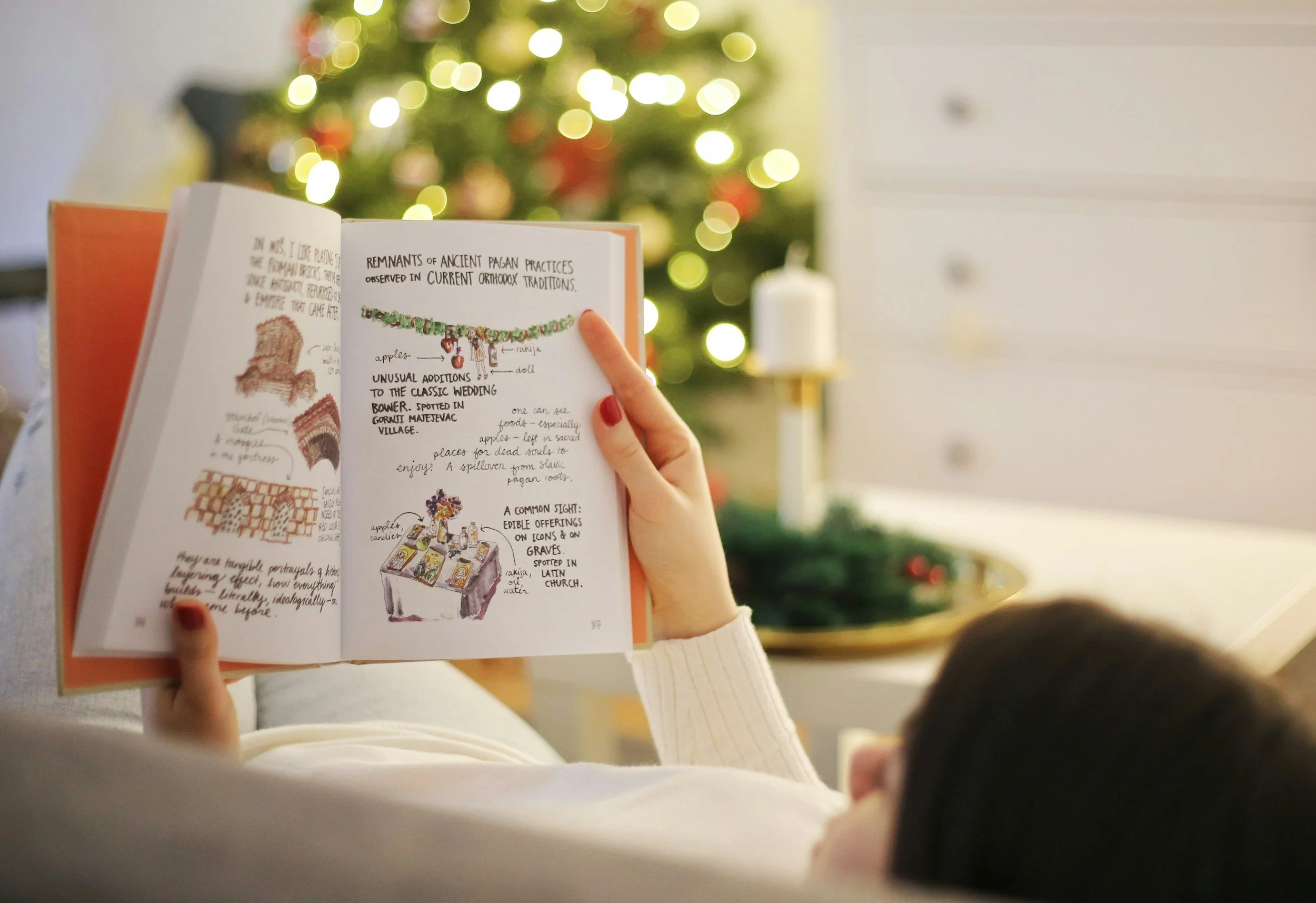
Why should we read?
I love reading, and I especially love sharing that love with kids. There’s something magical about reading aloud to children; the cuddling, the quiet, the way both of you are engaged in creating beautiful, imaginative images in your minds to match the words on the page. I love hearing kids read, too, because their voices bring new life to each word and phrase. And I love even more when kids share their own thoughts about the stories they’re discovering. Their enthusiasm is contagious and inspires everyone around them.
Did you know that reading is one of the best things you can do to help develop the brain? When you read (or your child does), your brain is working in three ways: first, it tracks symbols (letters) on the page; second, it interprets those symbols to make words; and third, it creates images in your mind to make sense of those words. This is healthy, powerful work for your brain. In comparison, when you listen to an audiobook, your brain only works to take the words and make images. And when we watch a movie, the images are made for us, which does even less to build healthy brain development.
Classic literature holds a special place in my heart. The language in older books is often so beautiful, rich, and poetic, and the stories are filled with timeless moral lessons that help children learn about right and wrong. Through classics, kids expand their vocabulary, experience the rhythm and flow of words, and encounter stories that model kindness, courage, and empathy. They also learn about the world. History, different cultures, and the wonders of nature are all woven into the fabric of many classic tales. Classic books challenge young readers to think deeply, feel deeply, and grow deeply, making them not just better readers, but better people.
Below is a list of my favorite book recommendations. I tried to limit it to 12, but that seemed impossible to do. So here is a list of 12+ books. I hope you find some time this holiday season to read, both for yourself and for your little one. May these stories bring you closer together and fill your days with wonder, wisdom, and warmth.
Winnie-the-Pooh by A. A. Milne: This is for the younger kids…Sweet woodland adventures model friendship, kindness, and playful curiosity that comforts and delights children.
Mary Poppins by P. L. Travers: A magical nanny opens ordinary days to extraordinary possibilities, inspiring creativity and family connection.
The Jungle Book by Rudyard Kipling: Animal fables of Mowgli explore identity and loyalty, inviting discussions about rules, courage, and community.
Rikki-Tikki-Tavi by Rudyard Kipling: A favorite at Ohmapi. A brave mongoose defends his family, celebrating quick thinking, responsibility, and standing up to danger.
Charlotte’s Web by E. B. White: A pig and a spider form an unforgettable friendship that teaches empathy, sacrifice, and the cycle of life.
How to Train Your Dragon by Cressida Cowell: The books are much better than the movies!!!! A funny misfit-and-dragon tale champions perseverance, compassion, and creative problem-solving.
The Nutcracker by E. T. A. Hoffmann. Did you know the ballet was based on a book? A magical Christmas adventure where toys come to life, inspiring wonder and festive joy.
House Above the Trees by Ethel Cook Eliot: ONE OF MY TRUE FAVS! A gentle, imaginative fairy tale about courage and belonging that nurtures wonder and empathy in young readers.
Little Fur by Isobelle Carmody: Ahhh…another of my true favs. A small healer protects the natural world, encouraging kids to care for the environment and trust their inner bravery.
Hiawatha by Henry Wadsworth Longfellow: This is a great introduction to poetry. Some verses are a bit slow for kids. I recommend the one about Fishing, The Canoe and Hunting. Poetic storytelling introduces Native North American themes and rhythms, enriching vocabulary and cultural awareness.
Black Beauty by Anna Sewell: This was a favorite of my 6th graders last year. A horse’s life told in his own voice fosters compassion for animals and conversations about kindness and justice.
All-of-a-Kind Family by Sydney Taylor: Five sisters in 1910s New York celebrate family, tradition, and everyday joys, inviting cultural curiosity. it is a story about a Jewish family and introduces Jewish seasonal celebrations/culture in a wonderful way.
The Good Master by Kate Seredy: Hungarian ranch life bursts with adventure and discipline, showing growth through work, love, and tradition.
The King of Ireland’s Son by Padraic Colum: Lyrical folk adventures build a taste for myth, heroism, and the music of classic storytelling.
A Little Princess by Frances Hodgson Burnett: Grace under hardship models empathy, imagination, and inner strength when life feels unfair.
Heidi by Johanna Spyri: Alpine days with Grandfather celebrate nature, healing, and the power of home and kindness.
Caddie Woodlawn by Carol Ryrie Brink: Frontier escapades blend humor and history, showcasing independence, bravery, and respect across cultures.
Shiloh by Phyllis Reynolds Naylor: A boy protects a mistreated beagle, prompting reflection on honesty, courage, and doing the right thing.
Island of the Blue Dolphins by Scott O’Dell: A girl’s survival alone on an island highlights resilience, ingenuity, and harmony with nature.
The Secret Garden by Frances Hodgson Burnett: A hidden garden restores health and hope, showing how care and friendship help people bloom.
Anne of Green Gables by L. M. Montgomery: A spirited orphan turns mishaps into magic, modeling optimism, imagination, and empathy.
The Chronicles of Narnia (series) by C. S. Lewis: Portal adventures explore courage, faith, and moral choice, inviting deep conversations and wonder.
The Black Stallion by Walter Farley: A wild horse and boy bond through grit and trust, encouraging perseverance and responsibility.
The Wonderful Wizard of Oz by L. Frank Baum: A journey to Oz reveals brains, heart, and courage within, empowering kids to believe in themselves. There is a whole series. The movie is great. The book is even better!
The Island of Lost Horses by Stacy Gregg: A girl and mysterious horses unravel history and healing, blending adventure with empathy for animals.
Pollyanna by Eleanor H. Porter: The “glad game” shows how gratitude can transform communities and build resilient mindsets.
The Indian in the Cupboard by Lynne Reid Banks: A toy that comes alive sparks ethical questions and imagination; best read with guidance to discuss cultural representation thoughtfully.
My Side of the Mountain by Jean Craighead George: A favorite for any nature school! A boy’s adventure in the wilderness teaches independence, survival skills, and the value of balancing solitude with companionship.
A Christmas Carol by Charles Dickens: A miser’s journey to kindness and generosity shows the power of redemption, compassion, and the true spirit of Christmas.
Birchbark House by Louise Erdrich: A favorite of my 3rd graders. An Ojibwe girl’s year introduces Indigenous history and resilience, broadening perspective with warmth and detail.
A Dog Called Perth by Peter Martin: Perth is very much like my own beloved beagle, Daisy who past away a few years ago. Daisy is a featured character in many of the stories I write. Someone once told me that beagles are not really dogs…they are more than dogs. Daisy and Perth embody that idea. A lifelong bond between a man and his dog highlights loyalty, adventure, and the love of a pet.
The Yearling by Marjorie Kinnan Rawlings: A boy and his fawn navigate love and loss, deepening compassion and respect for nature’s realities.
Mature middle school / high school (about ages 12+; definitely guided)
To Kill a Mockingbird by Harper Lee: Through a child’s eyes, themes of justice and empathy invite thoughtful discussions for mature readers.
For Parents / Mature Teens
Braiding Sweetgrass by Robin Wall Kimmerer: Essays weaving Indigenous wisdom and botany inspire gratitude, reciprocity, and meaningful nature connection for family life.
The Anxious Generation by Jonathan Haidt: A research-based look at youth, technology, and mental health that helps adults make wiser choices for kids’ wellbeing.