If you are looking for our Nature School Curriculum or other Ohmapi Products, click here to be redirected to the Ohmapi Store
Academic Nature Program
Our 2026-27 Program:
Grades 4 & 5 only
Begins on Tuesday, September 8, 2026 and ends on June 3, 2027.
Classes are held Monday - Thursday from 8:30am - 3:30pm.
4 day per week Academic Nature Program is $9000/year
Charter funds accepted
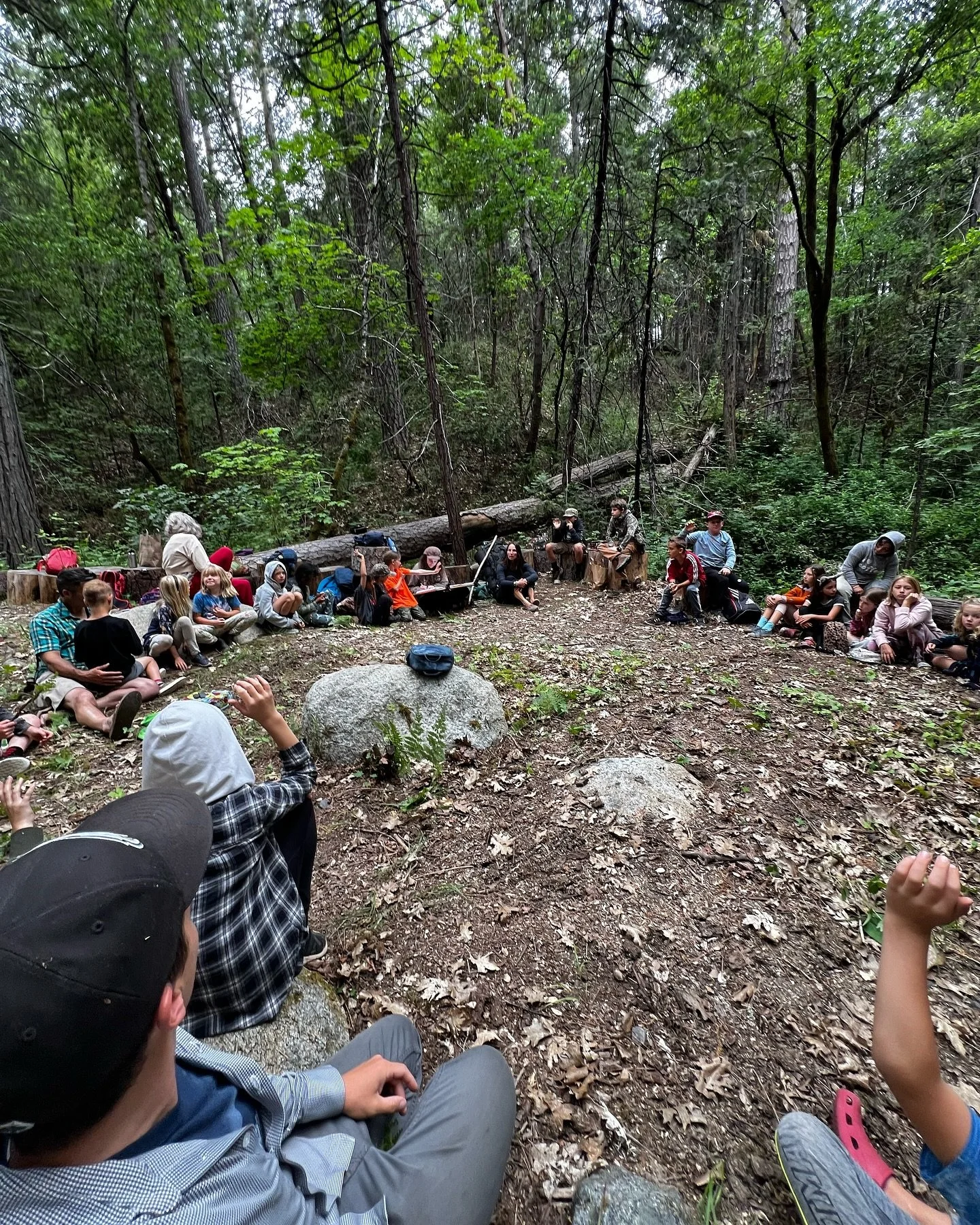
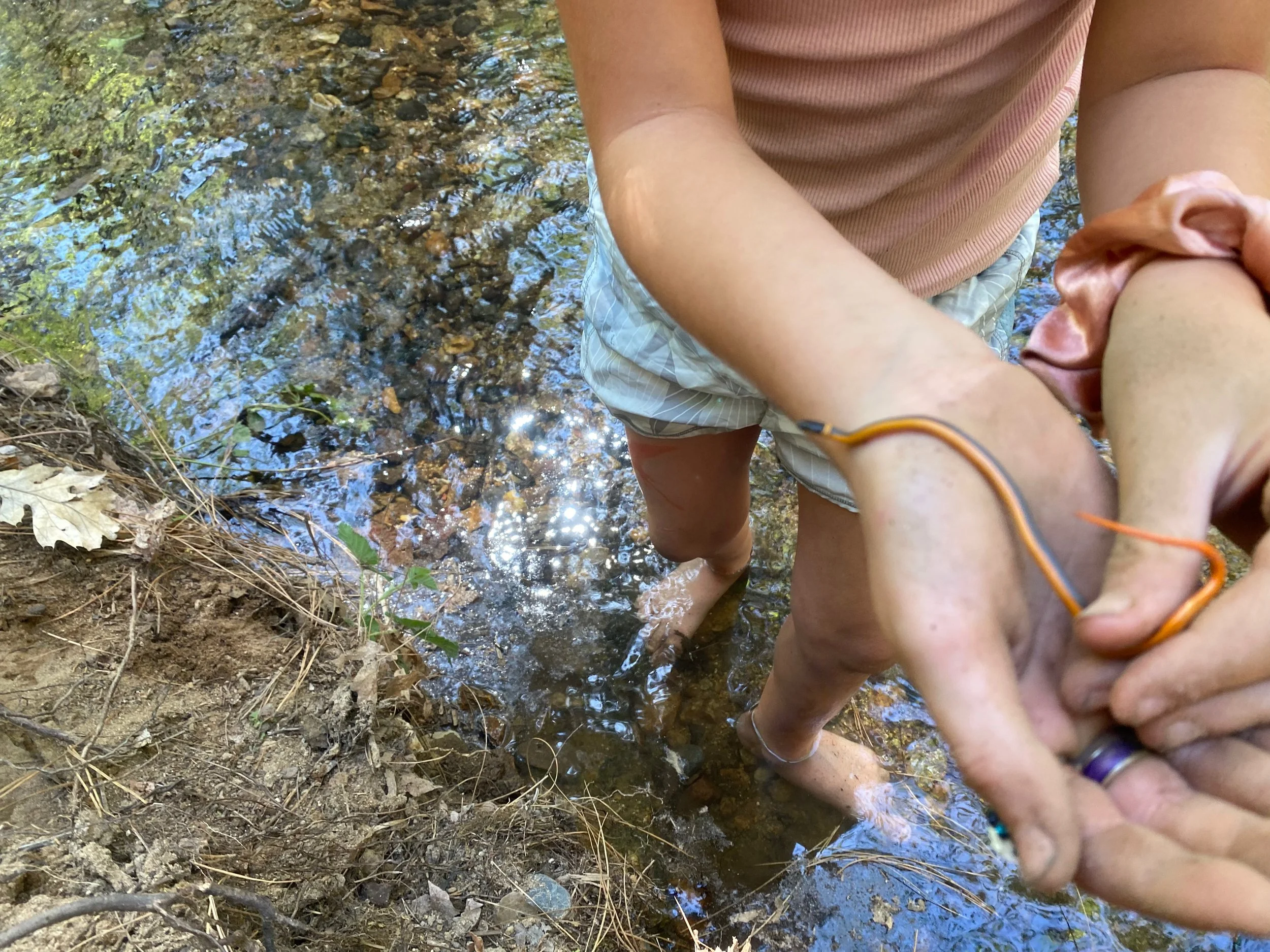
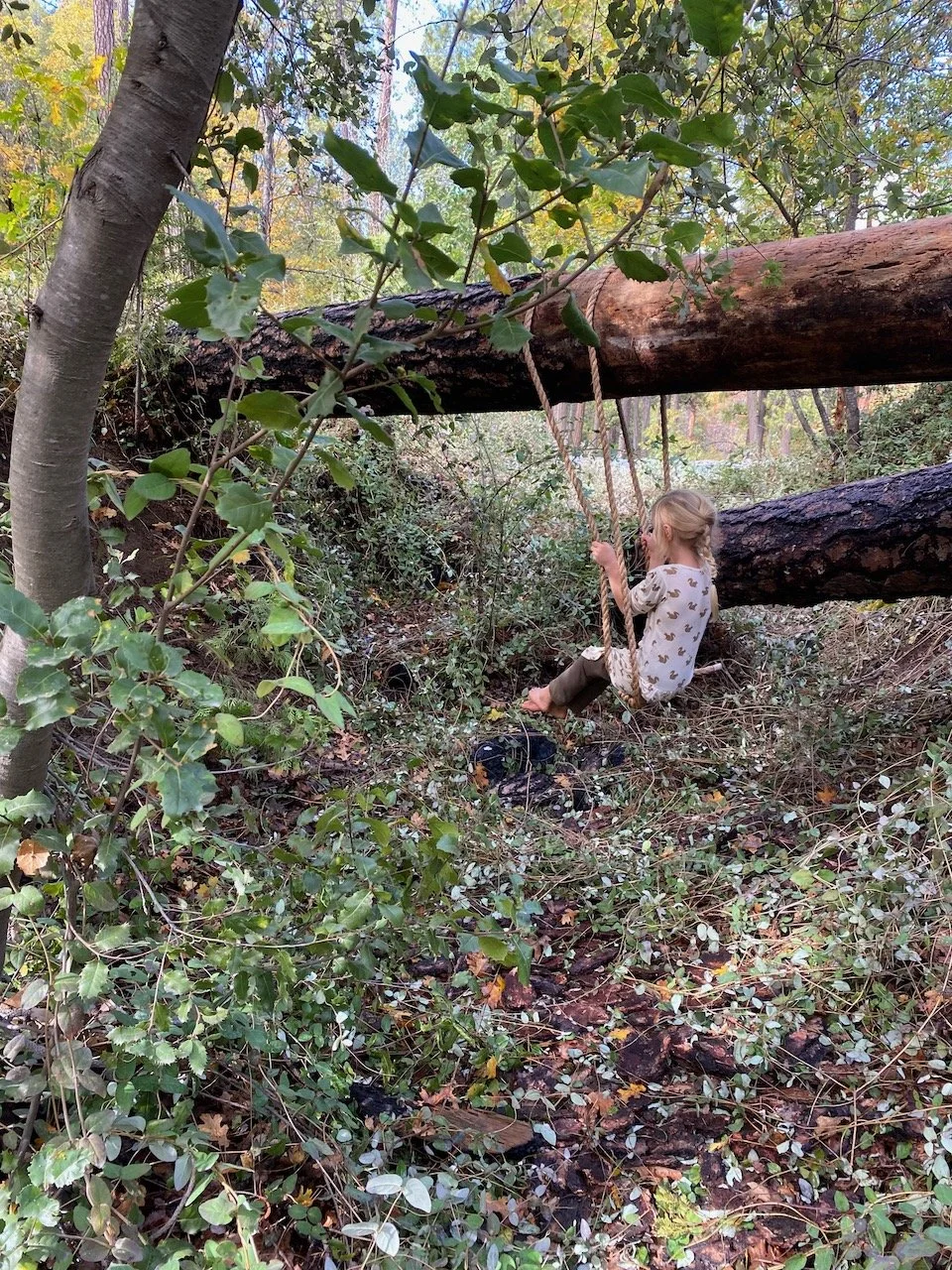
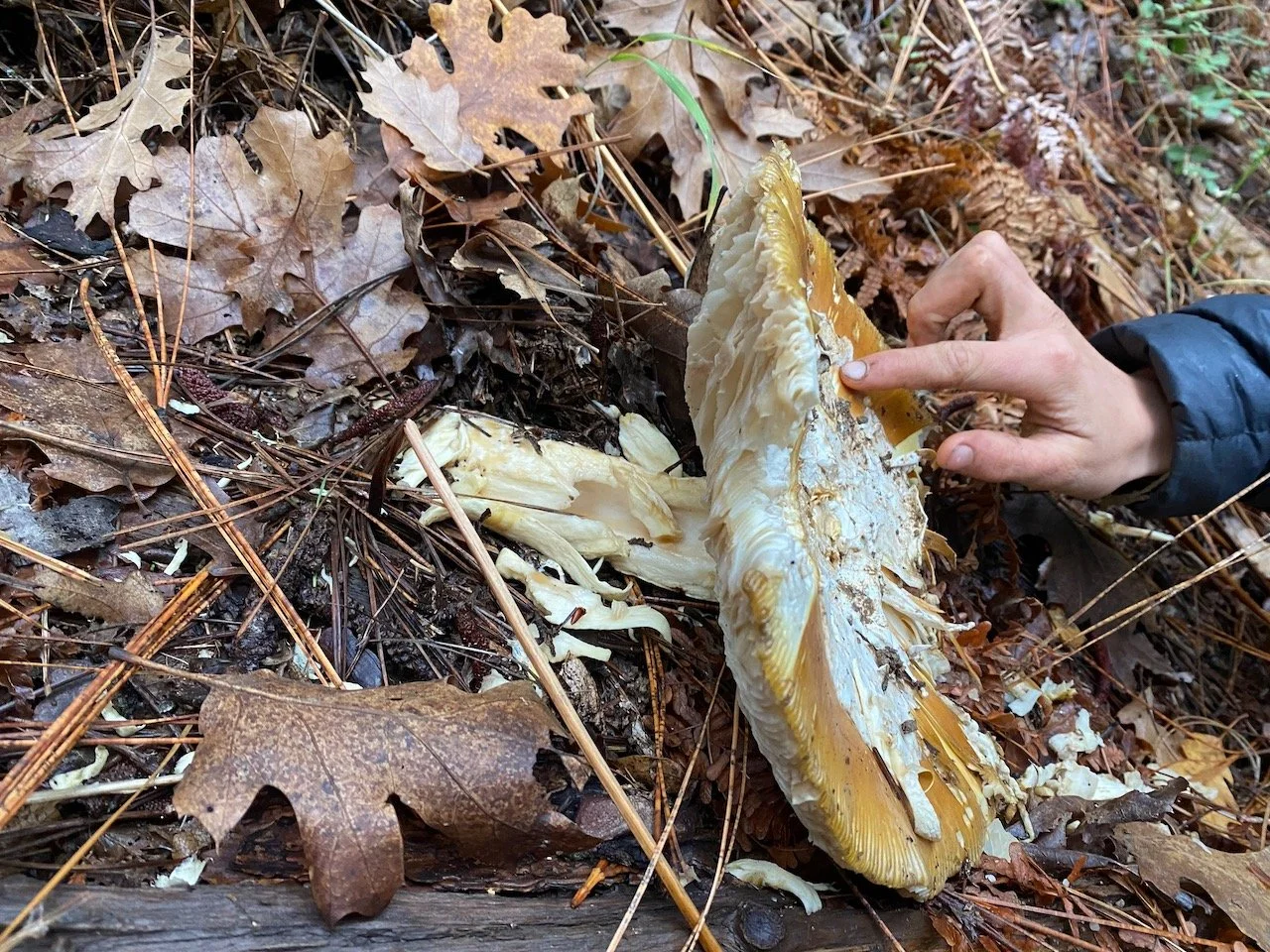
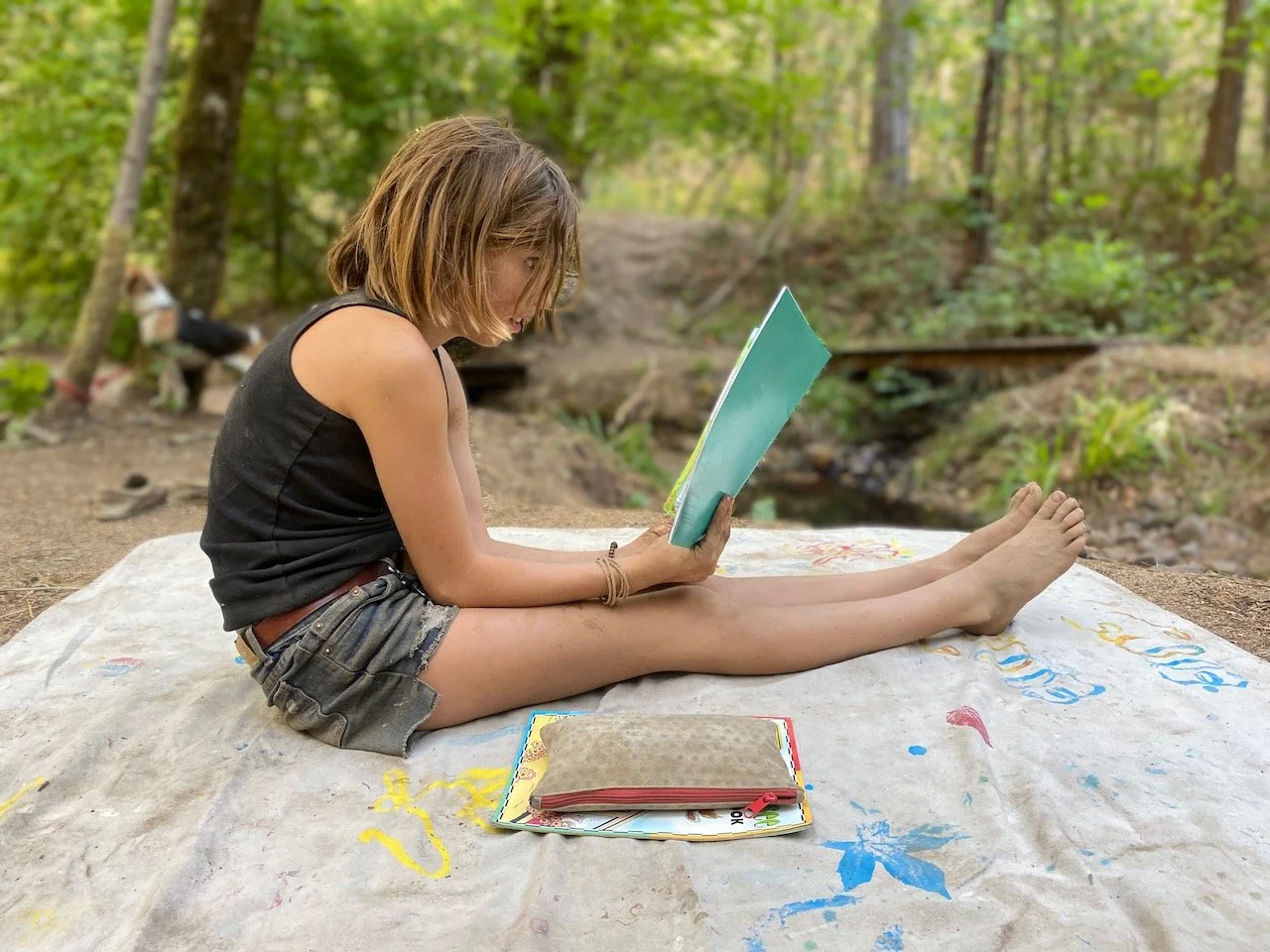
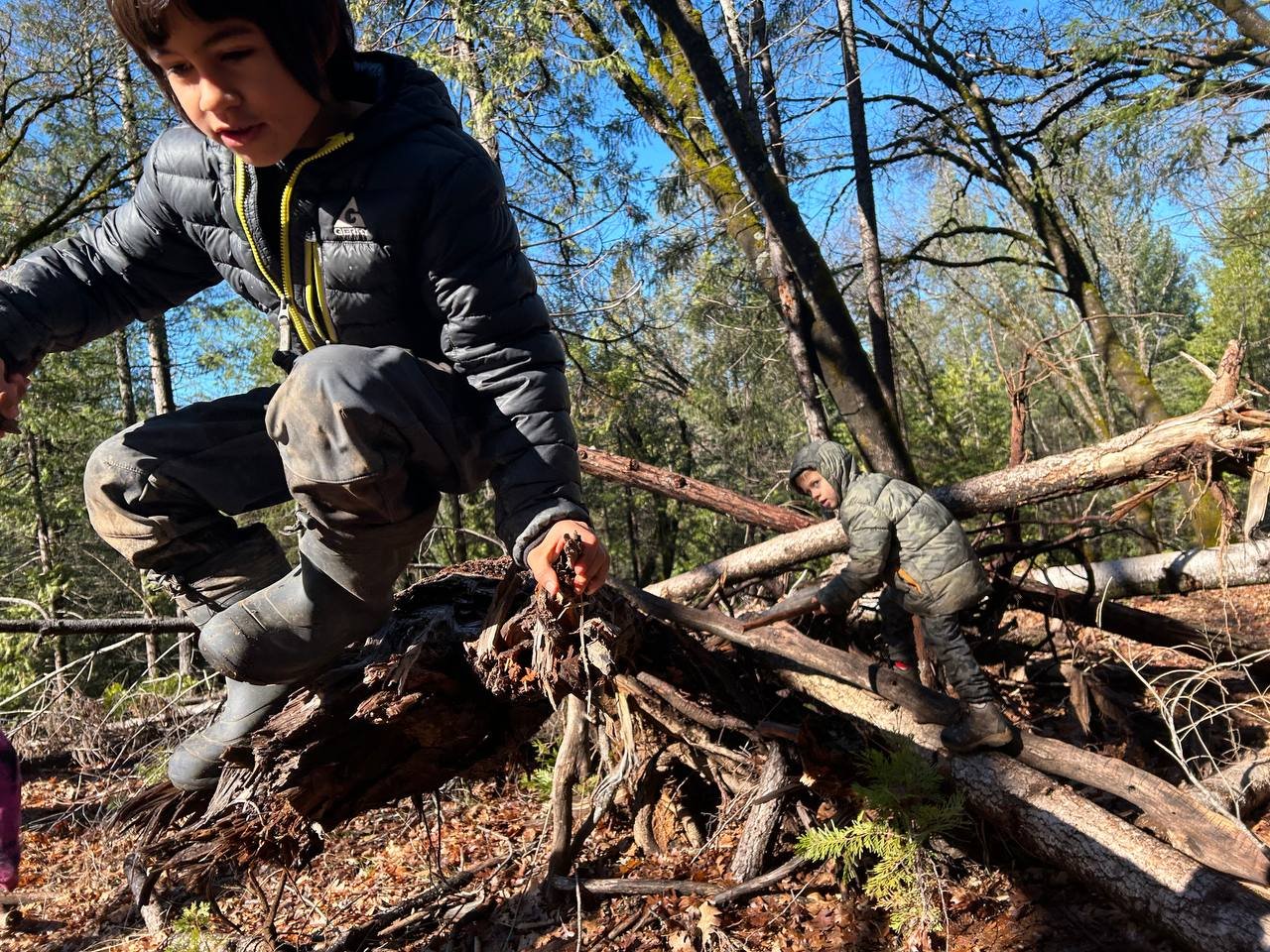
At Ohmapi, students learn through nature. Our Waldorf-inspired main lessons weave academics—math, language arts, science, Spanish, and geography/history—directly into nature studies. In addition to lessons, and equally important, is the time we spend exploring nature, solving riddles, playing games, listening to stories, learning through doing, making observations and doing handwork.
Our 3-step enrollment process includes a getting to know you questionnaire, a phone interview and a trial day or in-person interview. Please contact Dawn to begin the enrollment process.

Learning from the Land, Sky, Water, and Flame
This year, we will journey through the four classical elements, Earth, Water, Fire, and Air, spending approximately eight weeks immersed in each. Through hands-on experiences, storytelling, observation, field studies, practical skills, and creative projects, students will deepen their understanding of the natural forces that shape our world and sustain life. Language Arts, Mathematics, History, Science, Art, and Handwork will all be woven into our study of the elements, creating meaningful connections between academics and the living world.
As we explore Earth, students will investigate soils, farming, composting, ecosystems, mapping, and navigation. They will learn how food is grown, how landscapes support life, and how humans have interacted with the land throughout history.
Through Water, students will study rivers, watersheds, weather patterns, the water cycle, aquatic habitats, and water stewardship. They will practice skills such as finding, collecting, filtering, and purifying water while exploring the essential role water plays in all living systems.
During our study of Fire, students will learn about the science of combustion, traditional and modern fire-making techniques, wildfire ecology, prescribed burns, cooking over fire, and the important relationship between fire and healthy ecosystems.
As we enter the realm of Air, students will investigate wind, clouds, weather forecasting, flight, air pressure, and the invisible forces that shape our atmosphere. They will learn to read the sky, use a compass, navigate by natural signs, and better understand the changing patterns of weather.
Throughout the year, learning will extend beyond the classroom through field trips and community experiences, including visits to farms, weather stations, recycling and waste management facilities, rivers, forests, and other locations that bring our studies to life.
By experiencing the elements directly in nature, students will develop practical outdoor skills, scientific understanding, environmental awareness, and a deeper connection to the natural world. At the same time, they will strengthen their abilities in reading, writing, mathematics, history, art, and critical thinking, discovering that meaningful academic learning can emerge naturally through direct engagement with the world around them.
Core Academics for Grades 1-8
For the 2026-2027 Academic Year, our program is for grades 4 & 5 only.
Core academics for grades 1-6 and middle schoolers are woven into the study of nature topics. Our 3 day per week Academic Nature Program is designed to meet basic academic requirements of English, Math, History and Science. During main lessons, the students are divided into 4 age appropriate groups with 4 instructors ensuring lessons are developmentally appropriate for each child. Our elementary program, for ages 7-10, focuses on developing nature connection, academic skills and autonomy.
Our middle schooler program, for ages 11-14, embraces the developmental changes of the middle schooler by incorporating more self-directed learning time into our day. Student and mentor work together to identify each student’s individual interests and goals and then work to channel will forces to achieve those goals. Through such work, the middle-schooler becomes empowered, believing "I am capable and can do whatever I set my sights on."
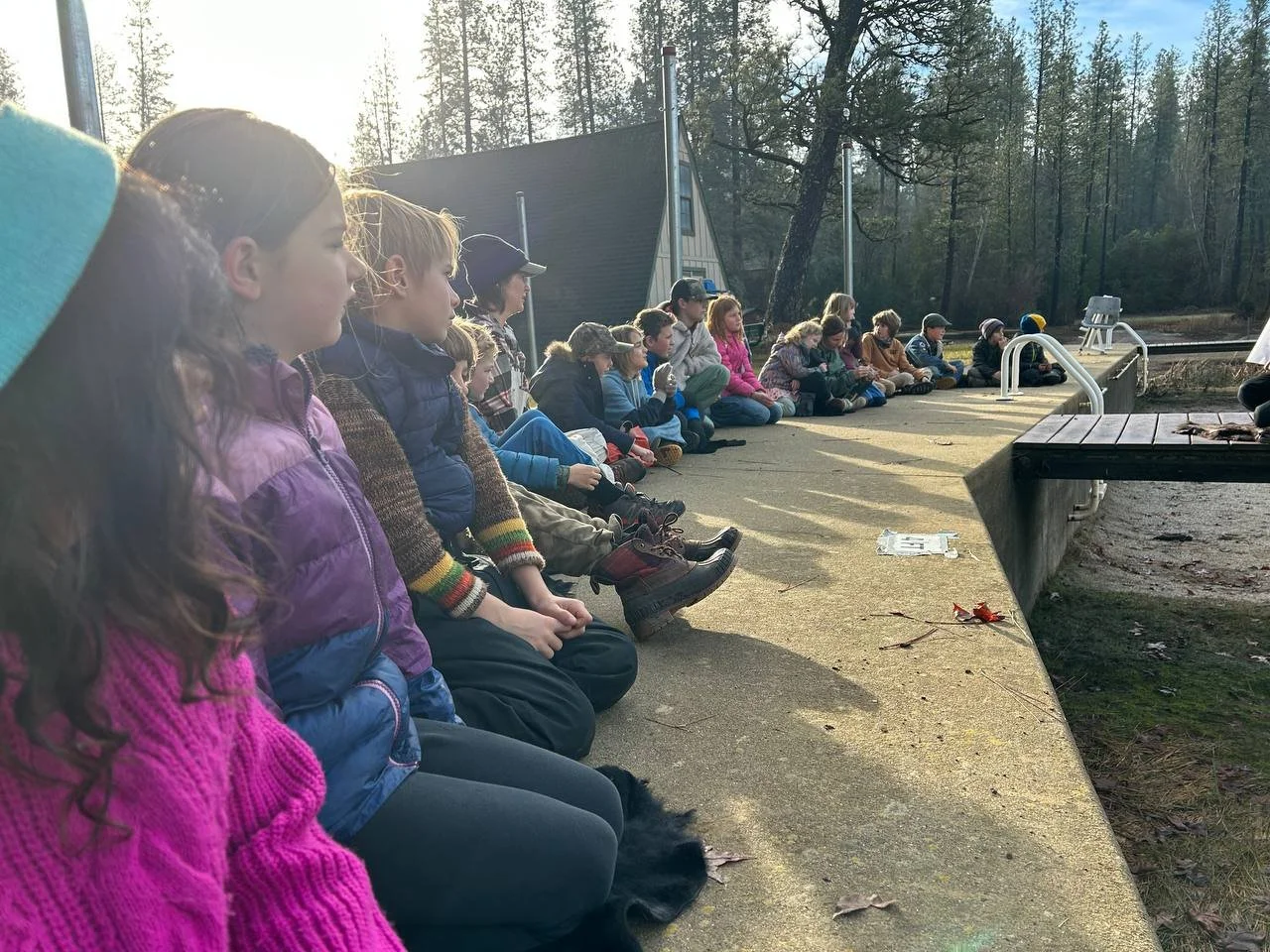
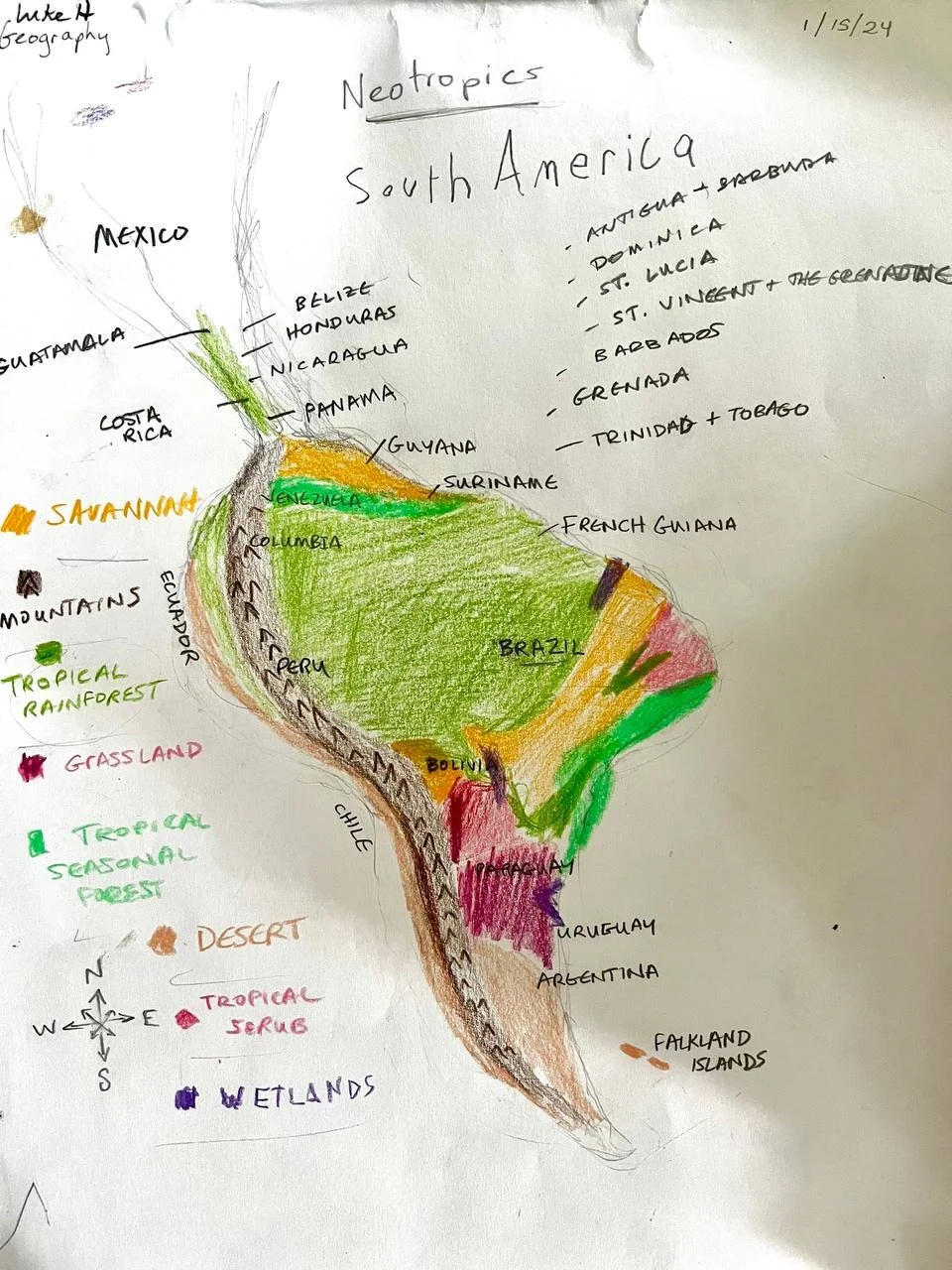
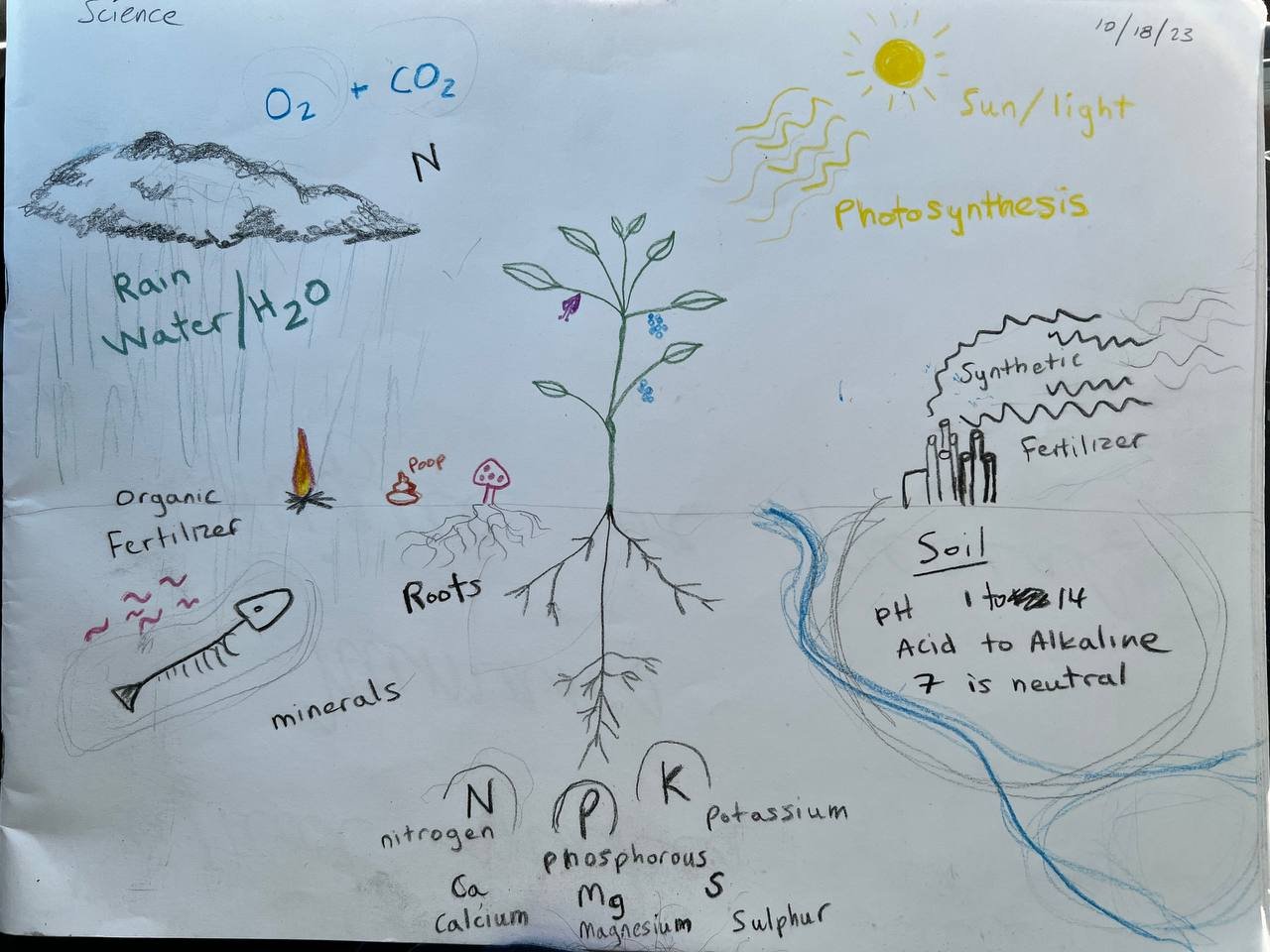
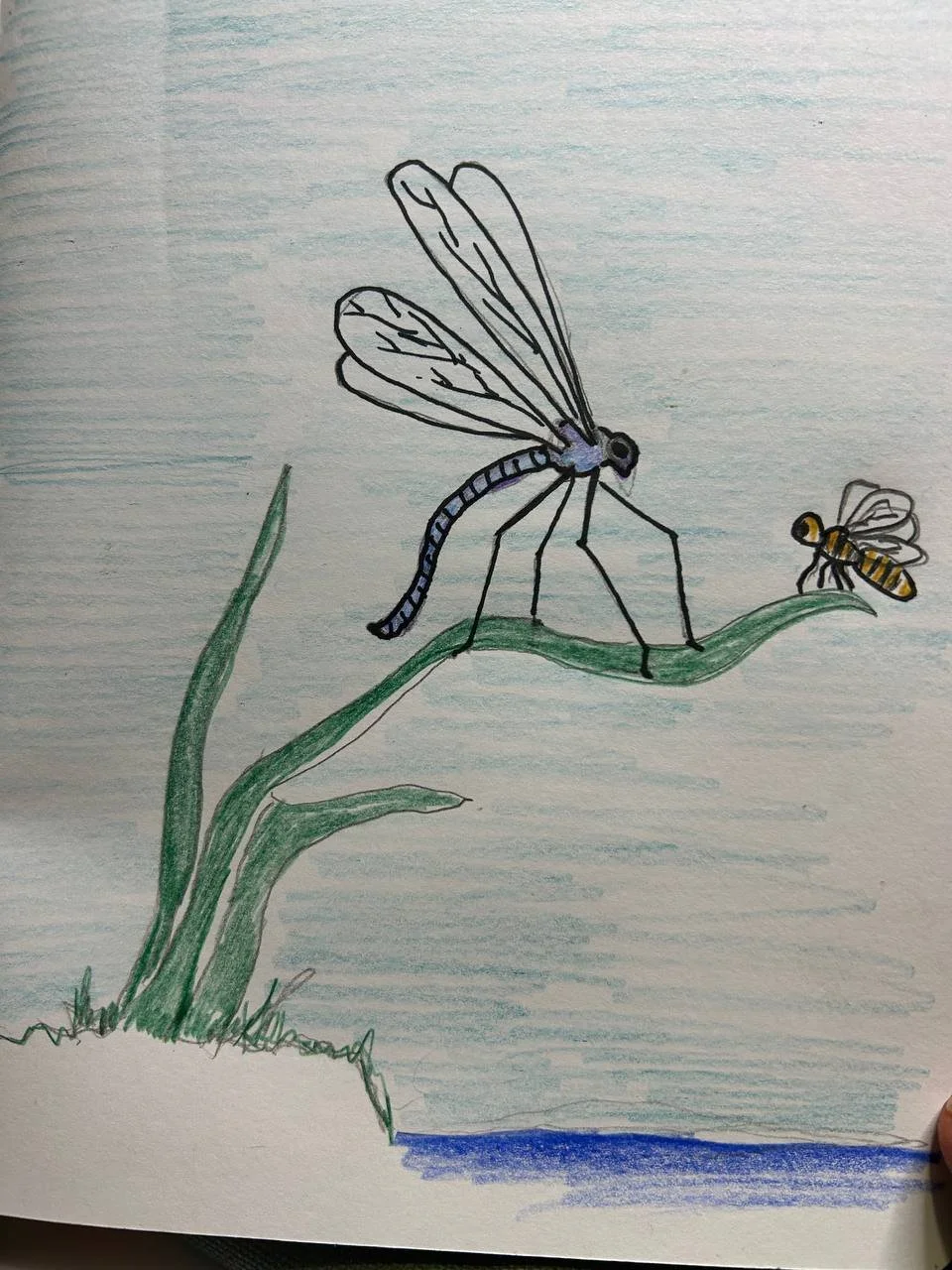
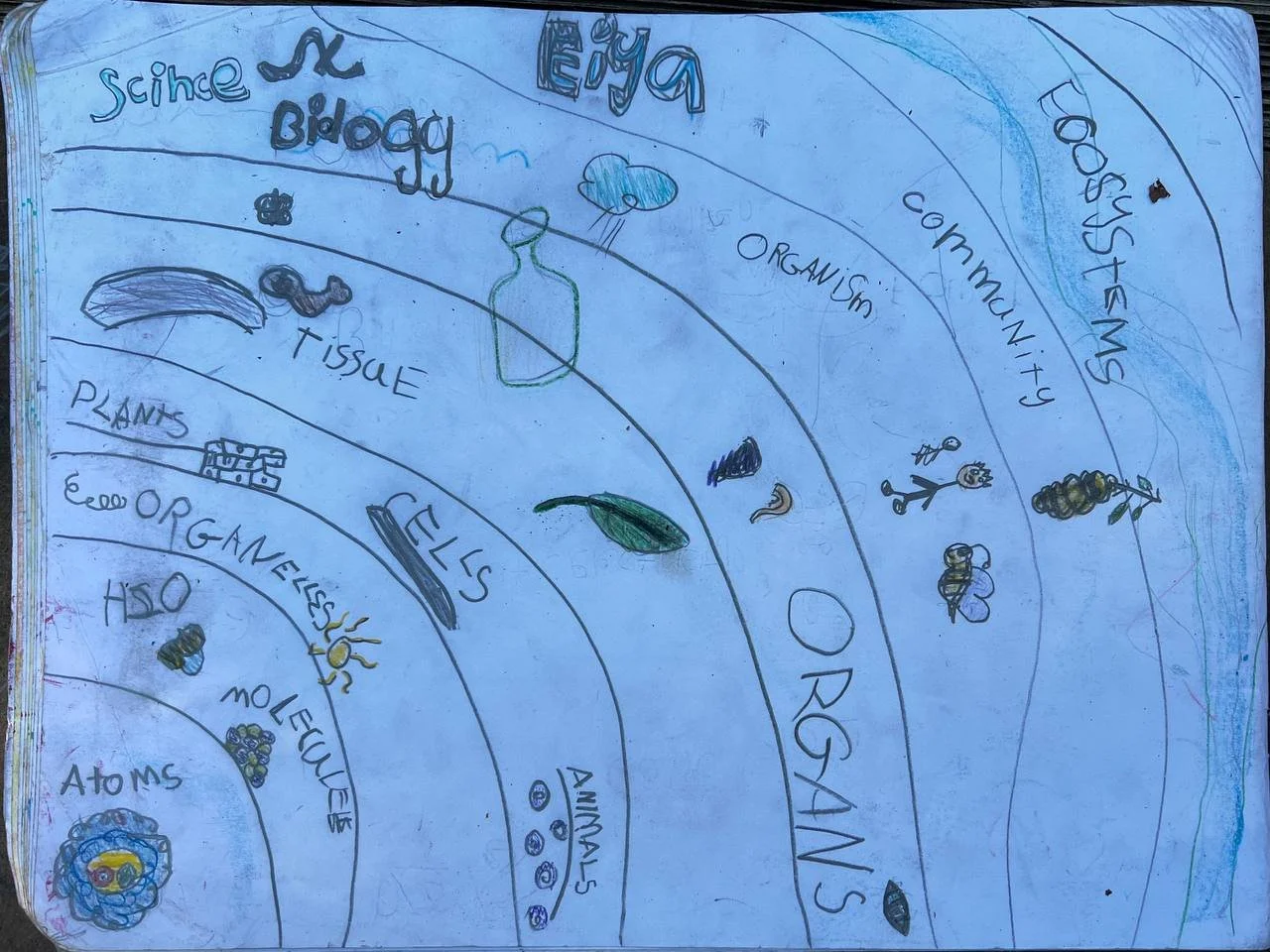
Our lessons are Waldorf Inspired (see below for detail by grade). Students learn math, language arts, science, Spanish and history everyday in our main lessons. Equally important is the time we spend exploring riddles, playing games, listening to stories, learning by doing, making observations and creating handwork.
Below is a link to a sample lesson from a 4-week study of mapping for grades 1-2. During the 4 weeks, we made compasses and learned how to use them, made patterans, learned to read maps, made maps and practiced lost proofing skills. Click here for a look at a sample lesson of how we weave academics into nature study.
-
Fairy tales; folk tales and nature stories; pictorial and phonetic introduction to letters; form drawing; reading approached through writing; qualities of numbers; introduction to the four processes in arithmetic, and lower multiplication tables. The child is as near to 7 years of age as possible. 6 1/2 is about the youngest for first grade.
-
The second grader’s heart is enriched by legends, fables and folklore. Reading and writing, elements of grammar, cursive, and arithmetic, including times tables, place value, carrying and borrowing are all topics introduced to a second grader. Ages 7 1/2 to almost 9.
-
The third grader is ready for history, fairy, folk, legend stories and the study of practical life through farming, housing, and clothing. Reading, spelling, writing, composition, grammar, punctuation and parts of speech, cursive writing practice, higher multiplication tables, weights, measures and money are the academic focuses for 3d grade. This is the year of the Nine Year Change - an important watershed in child development. The Nine Year Change takes place between about 8 1/2and 10–during third grade.
-
Up to 3rd grade children are learning to read. At 4th grade they begin to read to learn. Descriptive writing, composition and letter writing, study of the animal kingdom, and fractions are the academic focuses for grade 4. Age 10 is optimal.
Curriculum
-
The fifth grader is enriched by history and legend stories including Ancient civilization stories; geography related to vegetation, agriculture and economics, botany. Grammar, composition, spelling and reading, arithmetic, including decimals, ratios and proportion, and the introduction to the Pythagorean Theorem are all a part of 5th grade. Age 11.
-
Sixth graders continue to refine their writing skills with a greater emphasis on reports and essays. Business math is a focus for 6th grade math. Age 12.
-
Seventh Grade marks the birth of the intellect with the need to experiment and explore the world. The thirteen to fourteen year old questions authority, and pushes the boundaries of what is known or allowed. Powers of reasoning are being exercised and judgments about the world are formed. Meeting the adolescent's need for critical judgment, we are more exacting, focusing on measurement in math, science and art. Independent projects are a means for the student to go deeper into a subject of interest. Age 13.
-
Eighth grade is a transformative year. "I am capable and can do whatever I set my sights on." is where thier thoughts lie. Algebra 1 is tackled to the capability of each child. Students write their own short stories. Political and social topics are debated. Chemistry and physics become more measurable and objective. Age 14.

Location
Our classes meet on 30 acres of private property in Nevada City. For the privacy of the area residents and our students, the location is not posted on our website. We frequently take field trips to other locations as well.