

Community Spotlight: Ceramics Instructor, Jesse Hanshaw
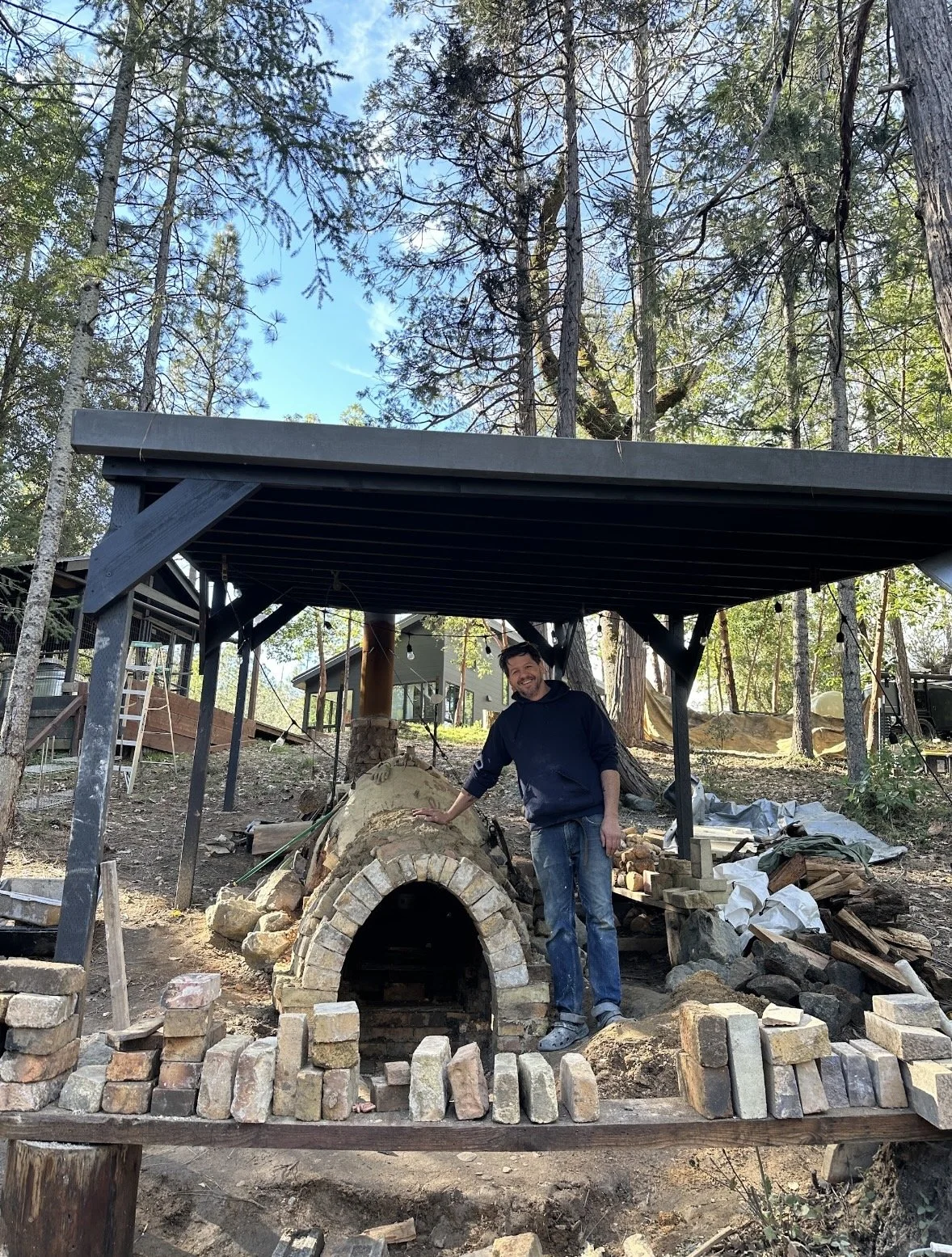
Photo: Jesse Hanshaw with the kiln he built onsite at The Ohmapi Nature Project in Nevada City, CA.
Clay, Curiosity, and Learning Through Relationship
“It takes a village” is more than a saying—it’s a mindset and a way of living in connection with others. A guiding principle shared among The Ohmapi Nature Project and our local forest school community in Nevada City, CA. To celebrate the people who make our village thrive, we created the Community Spotlight series, where each month we interview and highlight a community member. Through these conversations, we share a closer look at the values, talents, and the relationships that make Ohmapi what it is.
We believe learning begins with direct experience in the natural world. Creativity does not sit apart from nature here. It grows alongside it. Our Ceramics instructor, Jesse Hanshaw, brings that philosophy into his work with clay, offering students a way to learn that is tactile and grounded.
For Jesse, inspiration does not come from a single book, song, or studio. It comes from the materials themselves. He pays close attention to the world around him, always noticing materials that might become part of his ceramic practice. He prefers to dig and process materials himself rather than rely on a supply store. This approach reflects a curiosity about where things come from and a desire to reconnect process with source. It’s a little like the way we think about food: we tend to focus on the finished product without considering how it came to be. Working with natural materials offers the chance to slow down and notice that relationship.
And for Jesse, ceramics is not about directing clay toward a fixed outcome. It is about paying attention to how materials respond. Each firing becomes a way to learn. Sometimes materials melt or bubble. Sometimes nothing happens at all. All of it offers information. That openness is central to his practice and to how he teaches. He explains, “It’s more of a relationship than just manipulation.”
Jesse brings this sense of discovery into his classes at Ohmapi. Early in the year, students traveled near Malakoff Diggins to harvest clay from exposed by historic hydraulic mining. They brought the clay back to campus, where it was dried, rehydrated, and mixed by hand. The students worked directly with the material from start to finish, gaining a deeper understanding of where it came from and what it required. “We put it in big buckets, and the kids got in there and mixed it with their hands. It was pretty fun for them,” Jesse recalls.
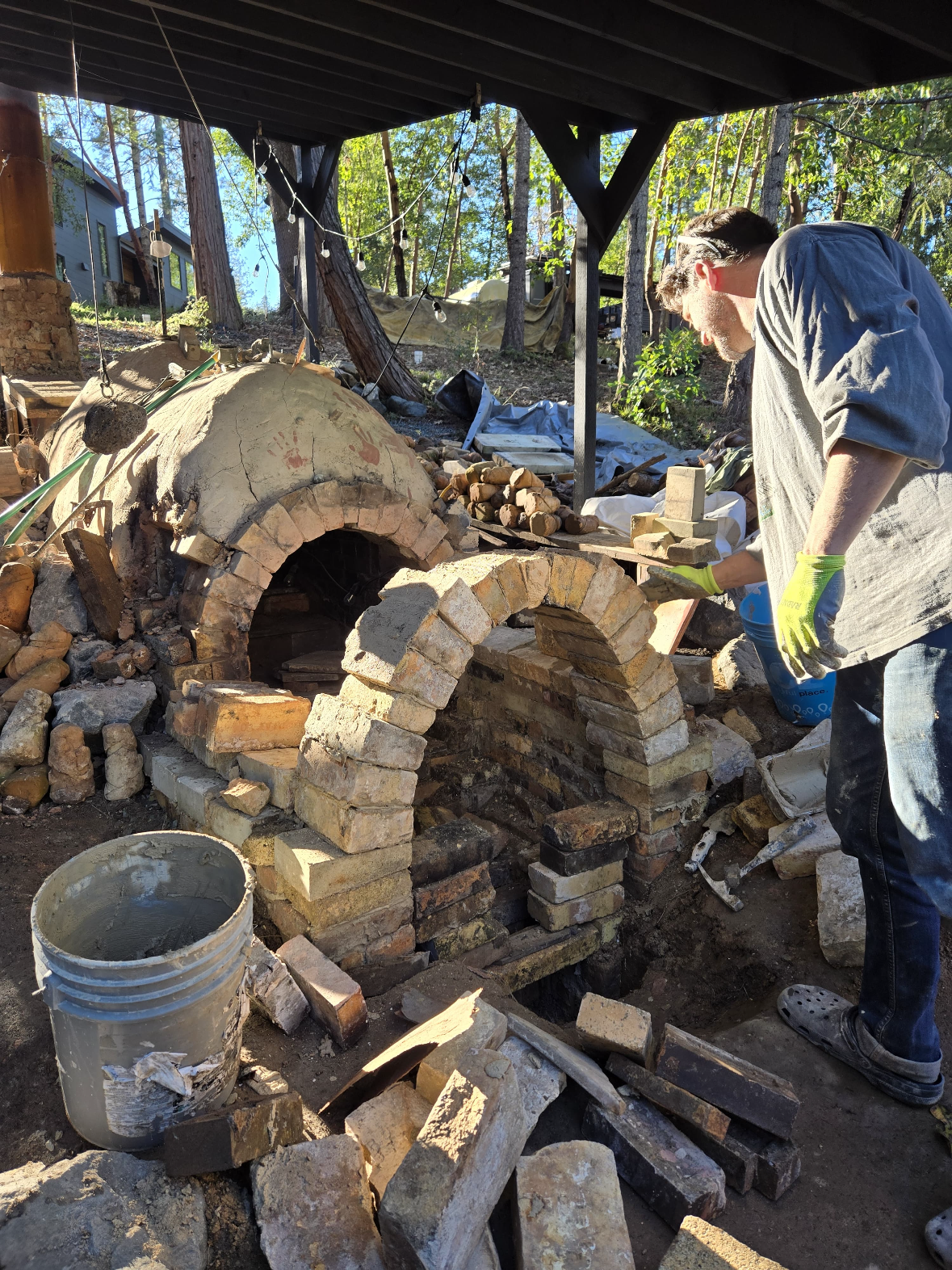
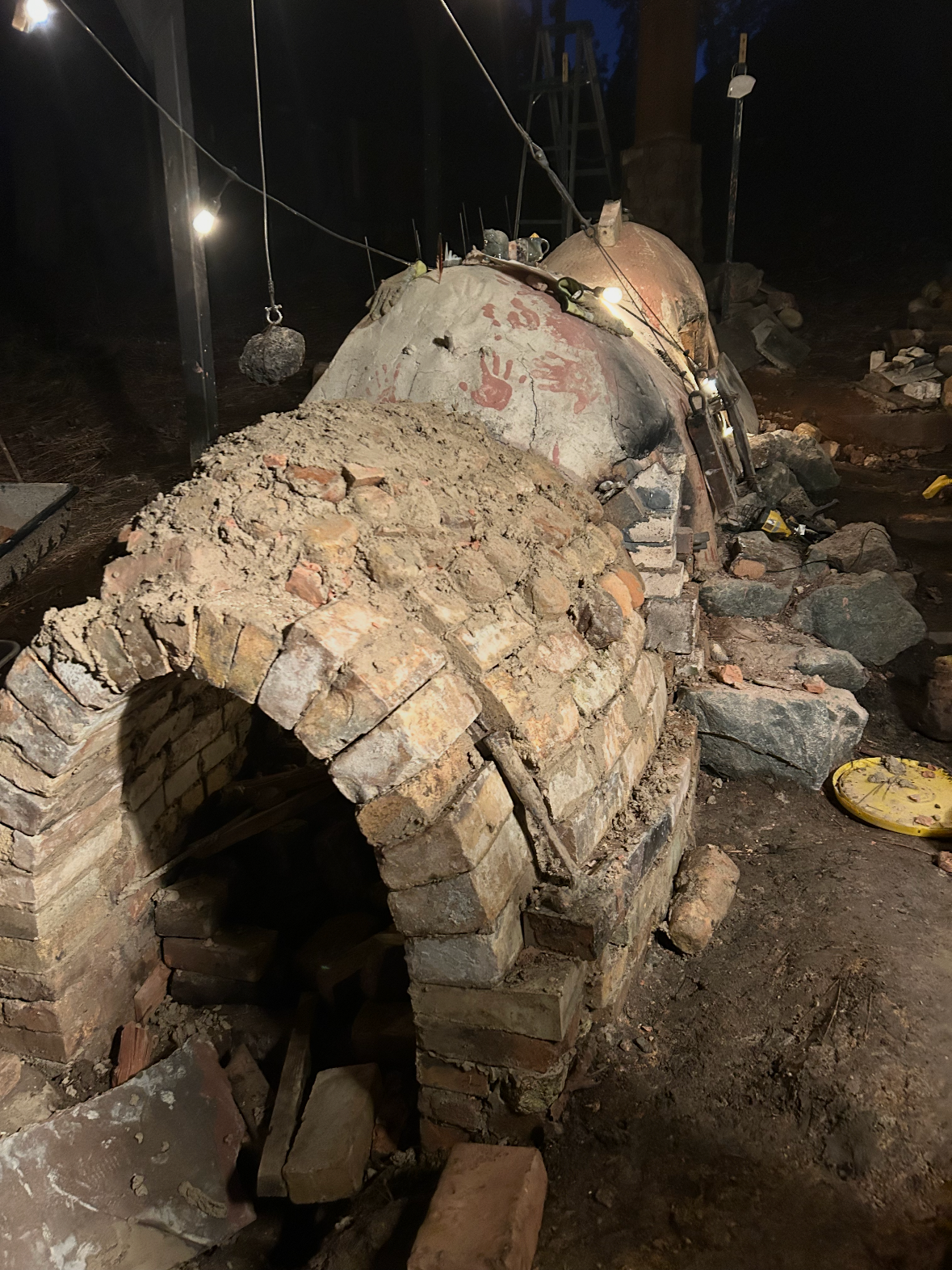
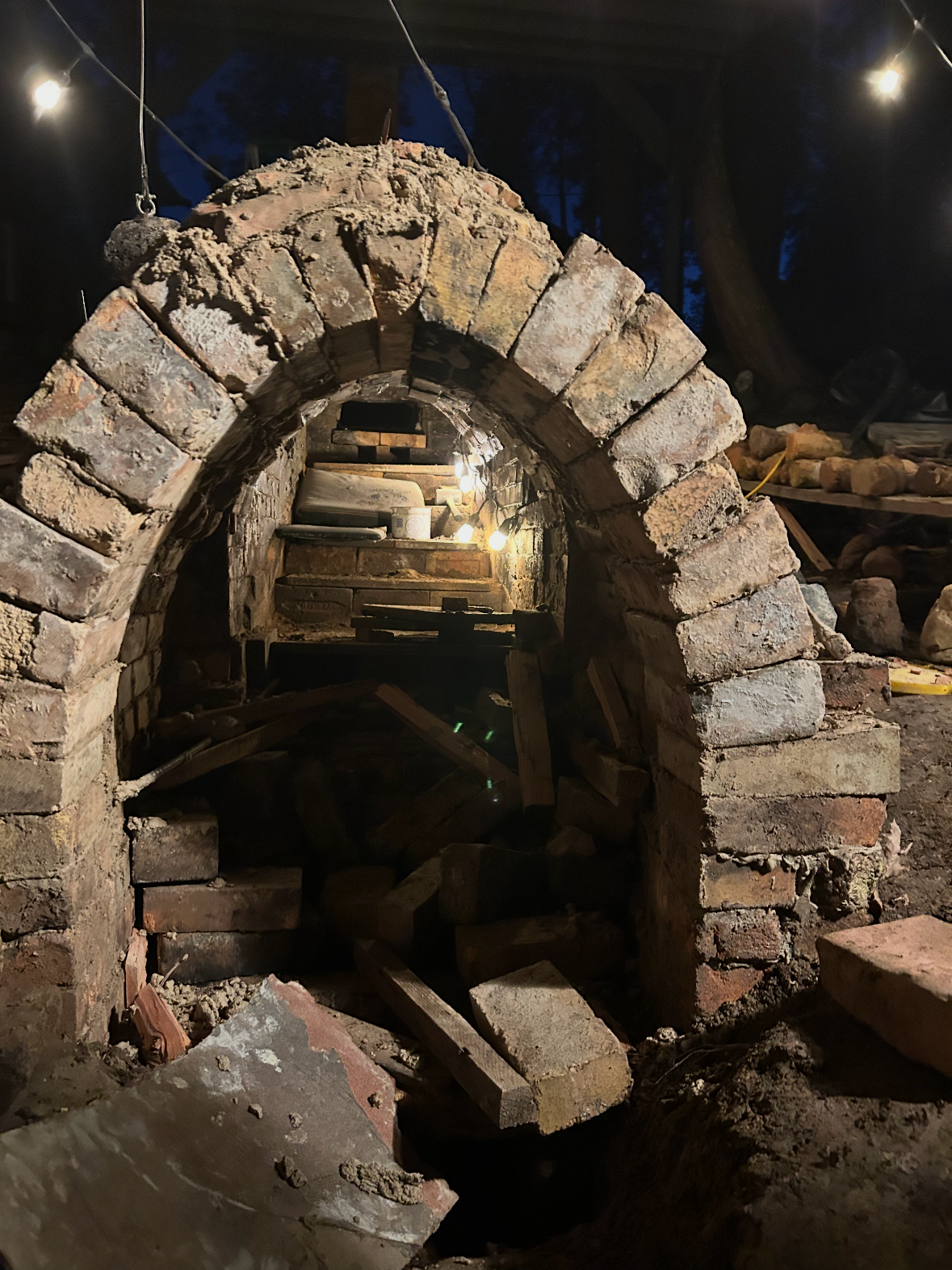
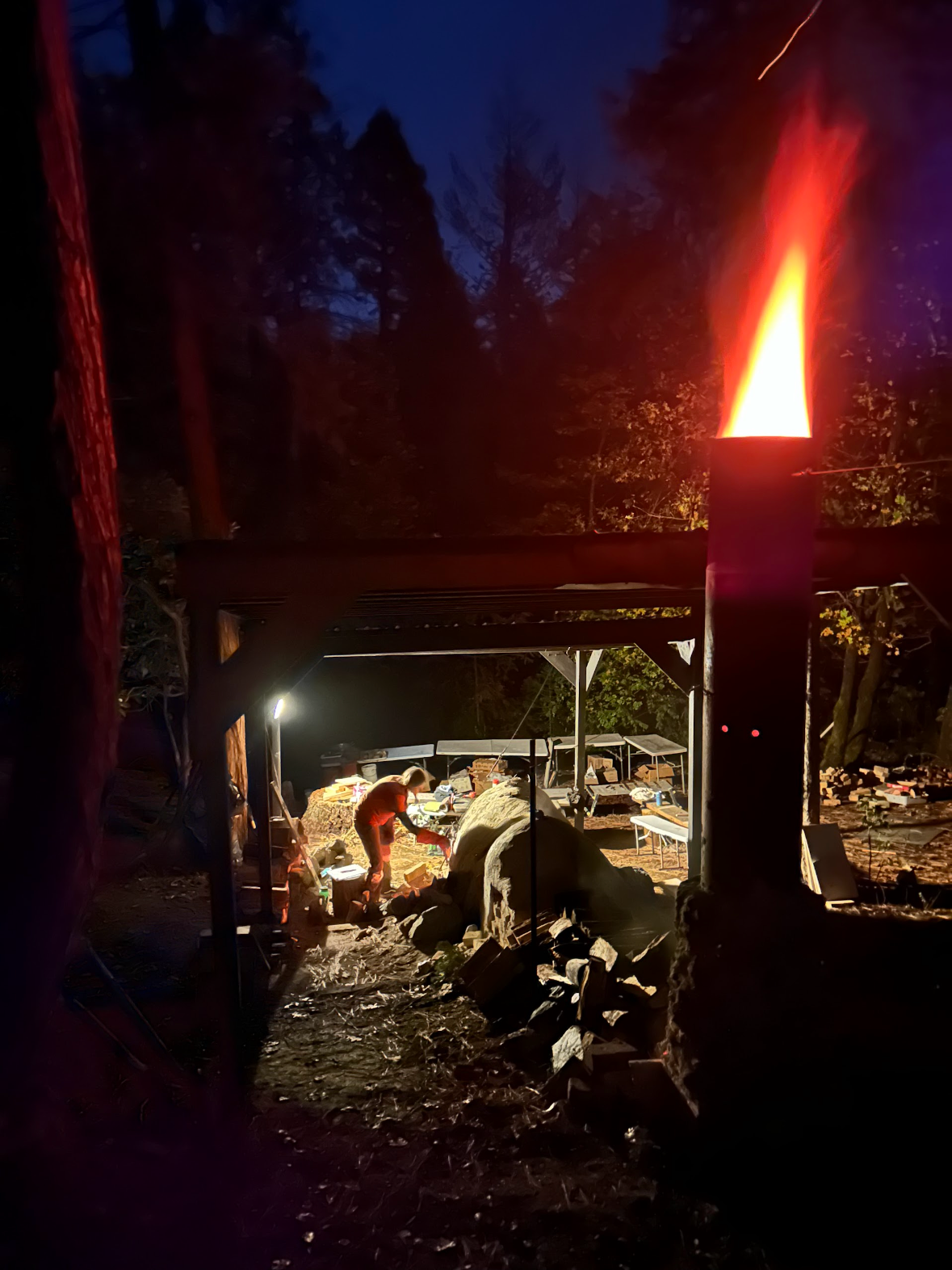
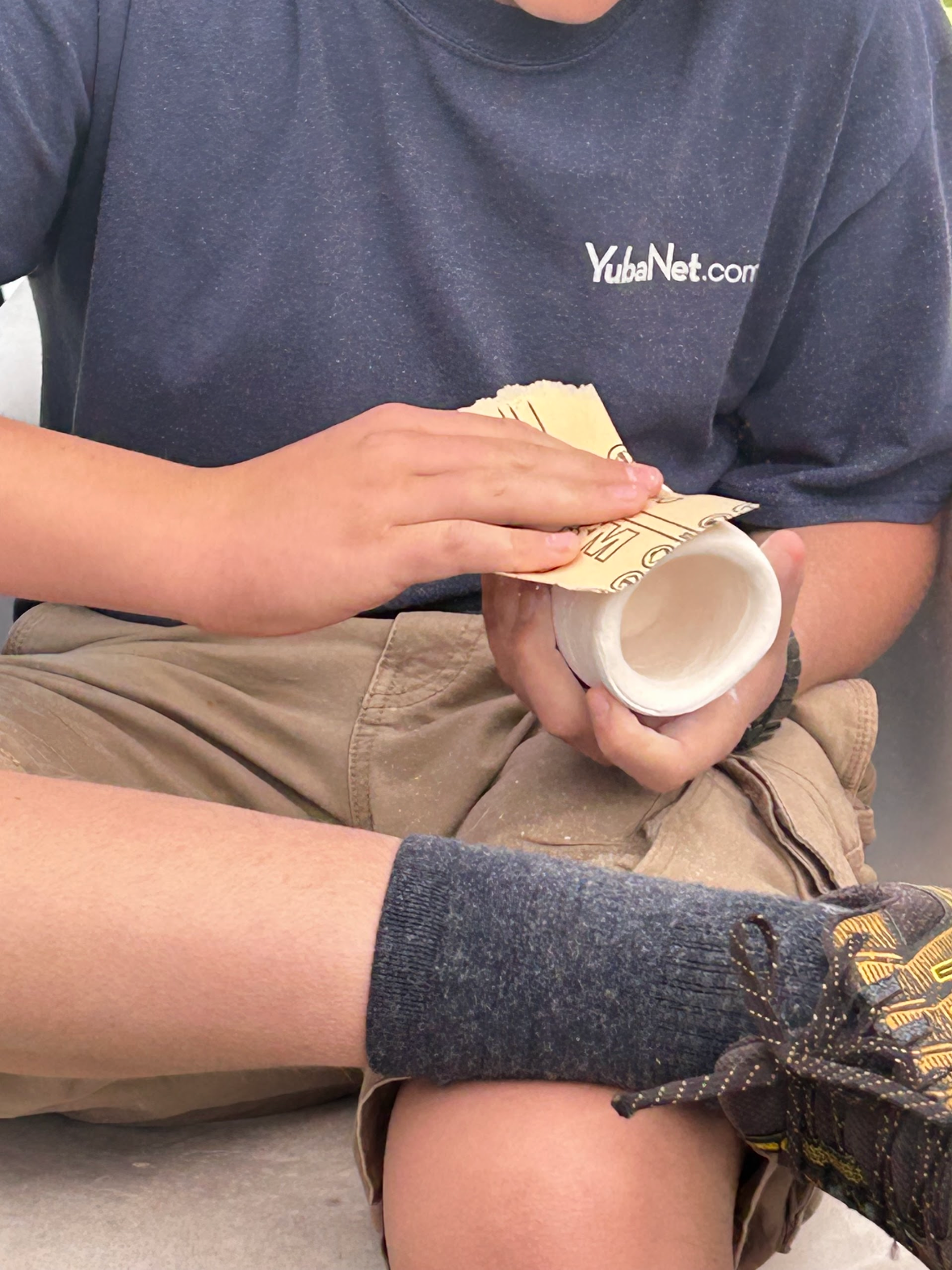
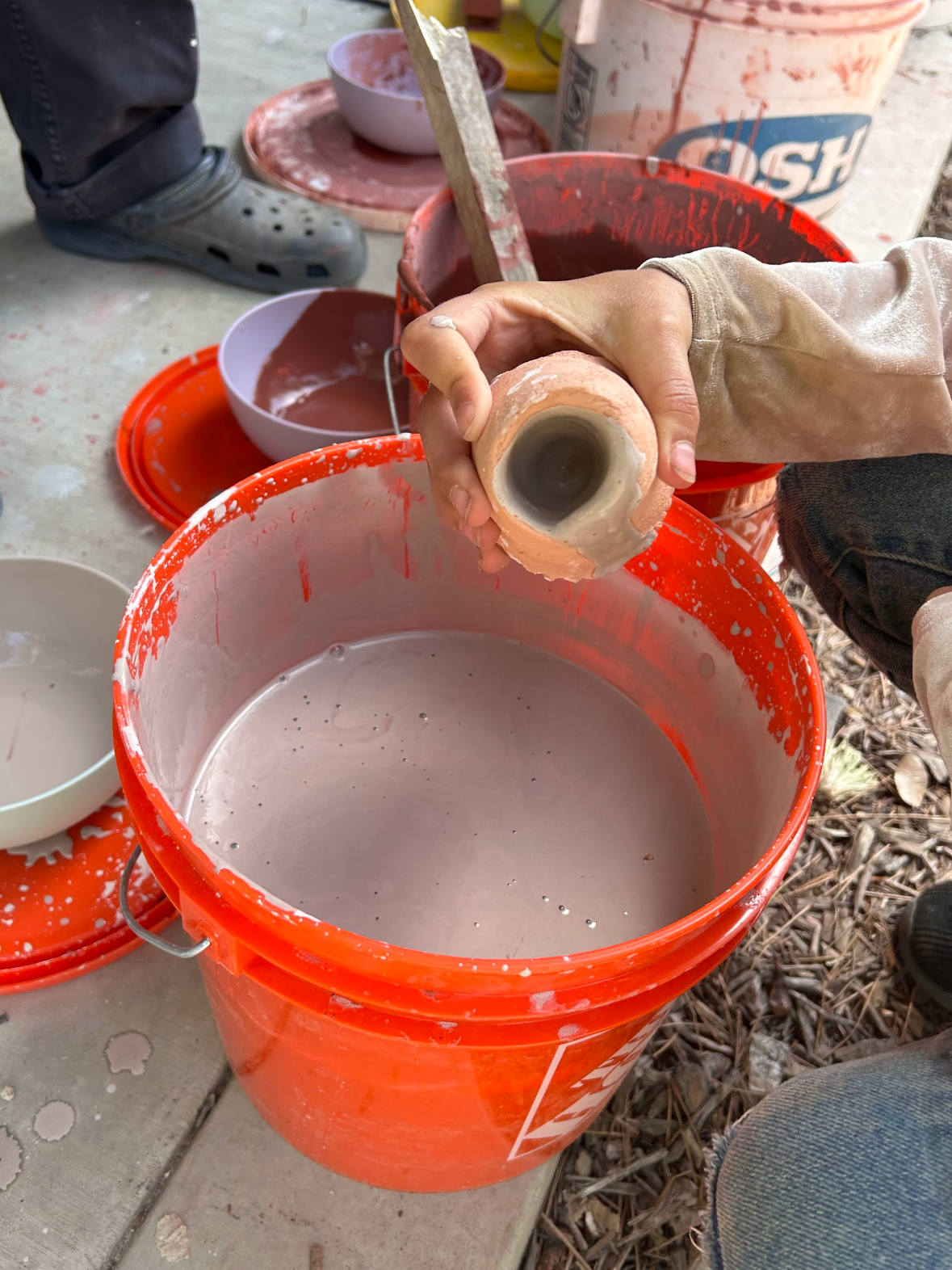
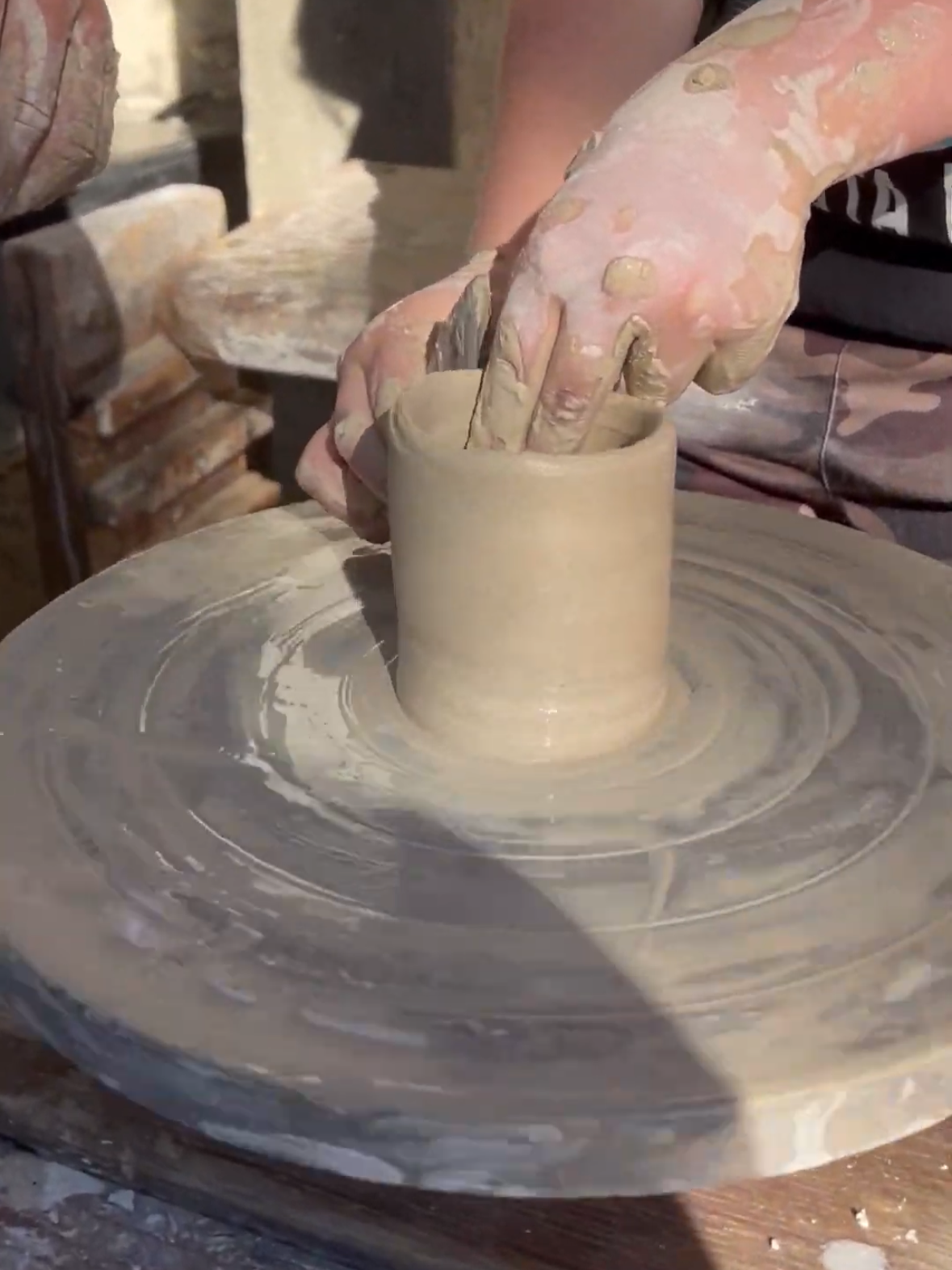
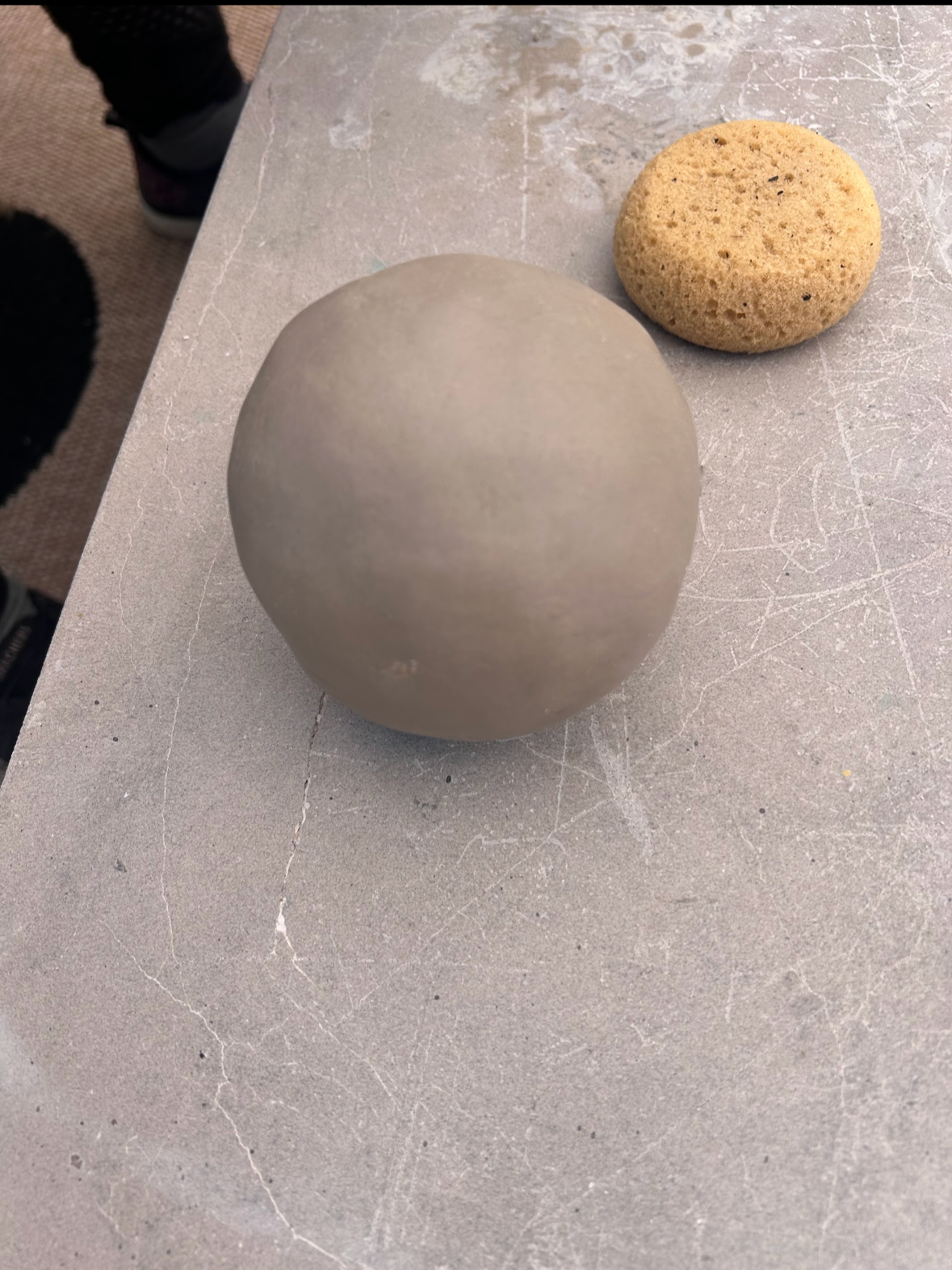
Gallery: Scenes from ceramics at The Ohmapi Nature Project, including the onsite kiln, evening firings, and students working at the kick wheel.
Ceramics at Ohmapi is not focused on technique alone. It centers on process and participation. Students explore pinch pots, coils, sculptural forms, and functional pieces. One of the most engaging tools in Jesse’s classes is the kick wheel. Unlike electric wheels, kick wheels require the potter to power the motion themselves. Jesse has noticed that children often take to this naturally. The physical rhythm of the wheel invites focus and creates a strong connection between movement and form. “Most adults don’t use kick wheels anymore. But with a kick wheel, you have a relationship with it. It’s really interesting watching kids because they seem to have a more innate understanding of it,” he explains.
Those moments often lead to visible shifts. Concentration turns into confidence as students realize what they are capable of making.
Because community is built through shared moments as much as shared work, we asked Jesse a very serious question during our conversation. Bagels or English muffins? He did not hesitate. “English muffins, especially because of the nooks and crannies.”
When asked what advice he would offer parents hoping to support creativity at home, Jesse returned to encouragement and space. He believes that showing children the value of creative work, even when it is not tied to financial outcomes, can have a lasting impact on their well-being. “Encourage your kids and make sure they have space to do it in whatever way they want,” he says. “Showing kids the value of being creative—or doing something they’re passionate about—even if it’s not tied to financial success, can be huge for their personal well-being.”
As the conversation came to a close, Jesse shared a reminder that feels especially at home at Ohmapi: don’t be afraid to get dirty, and make sure you’re having fun. “That’s what the kids want—and that’s what a lot of this is really about,” he says.
We are grateful to have Jesse Hanshaw as part of the Ohmapi community. His work reminds us that learning is built through relationship, creativity is shaped by attention, and joy is an essential part of the process.
We’ll be back next month with another story from our Ohmapi community. Until then, thank you for being part of the village.