

12 Things to Do with Oak, Madrone or Pine
The word Ohmapi is derived from the words Oak, Madrone, and Pine, the three dominant tree species on the land I am honored to steward. These are the trees among which the students of Ohmapi learn, explore, grow, and play. Each species offers profound gifts to the land, to the ecosystems they support, and to the human spirit.
Oak offers strength, stability, and nourishment. Spiritually, it is a symbol of resilience and groundedness. It is an anchor tree that teaches patience and endurance. Ecologically, oaks support an astonishing range of wildlife: insects, birds, mammals, fungi, and countless understory plants. Their acorns feed deer, squirrels, jays, and many others, while their strong limbs provide nesting sites, shade, and shelter. Oaks also enrich the soil with their deeply rooted systems, helping hold moisture and stabilize the landscape.
Madrone offers healing, adaptability, and beauty. Spiritually, madrone embodies renewal. Its peeling bark a reminder of shedding what is old to make way for the new. Ecologically, madrones are keystone trees for pollinators and birds. Their clusters of white blossoms feed bees in early spring, and their vibrant red berries sustain birds through winter. Their bark and leaves have long been used medicinally for soothing the body, and their presence stabilizes slopes and provides vital evergreen habitat.
Pine offers clarity, protection, and vitality. Spiritually, it is known for its cleansing and uplifting qualities. Its scent alone can shift a weary mind toward spaciousness and calm. Ecologically, pines nurture diverse animal species through their seeds, provide nesting places high in their branches, and create rich forest duff that supports fungi and soil life. Pines are also pioneers; trees that establish themselves in challenging environments, slowly improving conditions so other species may thrive.
In addition to all that these trees give to the land, forest, and wider world, they also offer humans a wealth of practical, medicinal, and creative uses. This is where the field of ethnobotany comes in. Ethnobotany is the study of how people interact with plants; how plants nourish us, heal us, inspire us, teach us, and shape our cultures and traditions.
Below is a list of 12 things you can do with oak, madrone, and pine. Let them spark curiosity, creativity, and deeper relationship with the trees around you.
Decorated Wood Slices (Madrone, Pine, Oak): You can buy pre-cut pine slices online, or if you live near the forest, you can easily make your own. Kids can paint, glitter, or decorate them in countless ways. Add a pretty ribbon to a simple painting—animals, patterns, stars, snowmen, etc.—and voilà: a perfect handmade gift!
Wooden Block Towers: Cut branches into a variety of lengths and widths. Sand the edges smooth and give them to a child as natural building blocks. Then watch and marvel at their creations.
Nature Collages: Glue leaves, seeds, twigs, and pebbles onto canvas boards or thick paper to create nature-inspired art. Add paint for extra detail.
Pine Needle Weaving: Use dried pine needles to weave baskets, coasters, or pendants. This is a more time-intensive project, so plan accordingly.
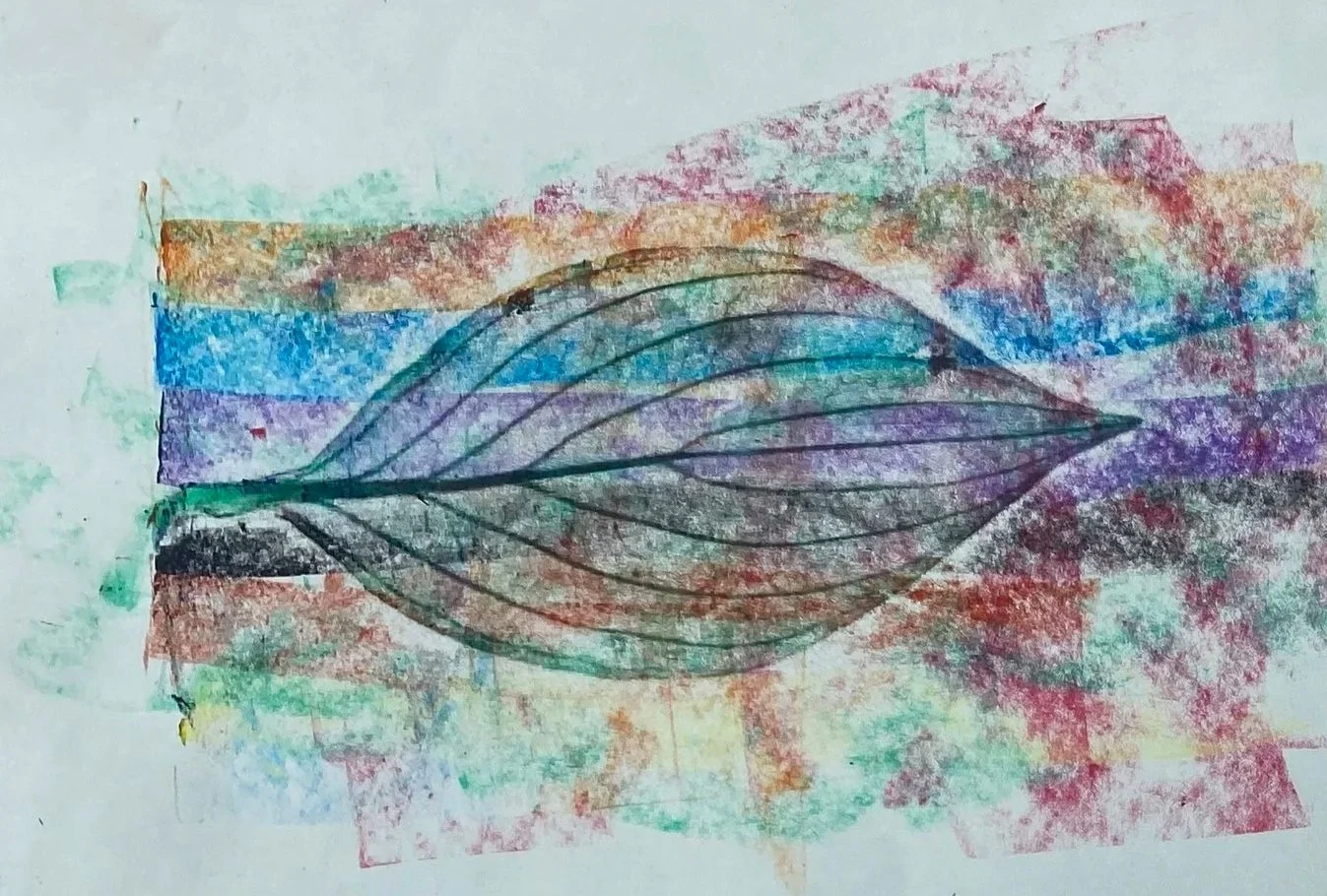
Leaf Rubbings or Leaf Stencils on Wood: Place leaves under paper and rub over them with crayons to reveal their intricate patterns. Frame the artwork or turn it into a card. Try layering crayon colors for beautiful effects. Leaf Stencil are similar yet very different and beautiful in their own way. Arrange leaves on a big wood slice (or pretty background…could be a piece of paper with a watercolor wash) and paint over them to create a stencil print. Remove the leaves, drill a small hole, and add a ribbon for an ornament or wall hanging.
Madrone Berries: Gather madrone berries in December, when they bright red. Using a needle and sturdy thread or sinew, string the berries and hang them to dry for a few weeks. As they cure, they harden into beautiful natural beads. This was a traditional practice of Native peoples in our region, who used madrone berry beads for adornment and ceremonial decoration.
Pine Pitch Glue: Heat pine resin until liquid, then stir in fine charcoal powder (3 parts resin to 1 part charcoal). Use while hot—it hardens as it cools.
Pine Pitch Drawing Salve: Combine pine sap, beeswax, oil, and charcoal to make a salve that helps draw out impurities. Great for bug bites and splinters. Apply generously and cover with a bandage for several hours or overnight.
Pine Foods
Needle Tea: Steep fresh pine needles in hot water for a vitamin-rich, citrusy tea. Strain and serve warm—excellent for winter days. Traditionally used to soothe coughs, colds, and congestion. Pine Needle Sugar Cookies: Add a very small amount of finely chopped pine needles to sugar cookie dough for a festive forest flavor. Use sparingly—too much becomes bitter or resinous. Doug fir tips work wonderfully in spring, too! Pine Nut Pesto Pasta: Blend toasted pine nuts, basil, olive oil, garlic, and Parmesan into a creamy pesto. Toss with warm pasta for an easy meal. Pine Syrup: Simmer pine needles with sugar and water, then strain. Delicious drizzled over pancakes or ice cream. Pine Needle Vinegar or Salt: Infuse vinegar or salt with pine needles for several weeks to create a bright, fresh flavor. Pine Nut Energy Balls: Mix pine nuts with oats, honey, and dried fruit. Roll into small balls for a nutritious snack.
Acorn Flour: Harvest, crack, grind, and leach acorns to make a rich, nutritious, gluten-free flour. Use it for pancakes, bread, cookies, or hearty soups. This process ranges from several hours to several weeks so plan ahead.
Madrone Medicines & Food
Bark Tea:Steep madrone bark for a tea similar in taste to black tea. Traditionally used to help regulate blood sugar, ease stomach aches, soothe sore throats, and support respiratory health. Madrone Bark Poultice: Mash or simmer madrone bark for a soothing poultice or infusion used on cuts, sores, and burns. Like oak bark, madrone is both astringent and anti-inflammatory. Madrone Leaves: Chewing madrone leaves can help ease stomach aches and cramps. Use in moderation. You can also cook in Madrone Leaves. I have wrapped fish and squab in the leaves. Tied with twine. Cover with clay and then baked in hot coals on an open fire. Madrone Berries: The beautiful red berries from madrones have a slightly sweet and apple-y flavor. You can make a cider from them or steep them to make a compote.
Oak Bark Medicines: Oak bark is highly astringent, making it ideal for situations that benefit from “drying,” such as treating poison oak. Simmer bark for an hour, then cool and strain. Store in the fridge or freeze in ice cube trays for cooling summer relief. Oak bark infusions have been used to clean sores, cuts, and wounds.