
Six weeks, one element, and a lot of wet feet.
This school year, our study blocks are organized around the four elements: water, fire, earth, and air. We kicked off with water, and for the past six weeks we’ve been following it wherever it led us. Up mountains, into rivers, and even underground.
Every field trip this block was a favorite. By the end, the children had developed a real love for water, and leaving the block was hard. There was so much more to learn.
Starting at Home: The Ohmapi Spring
Our first lesson was right here on our land. The Ohmapi spring needed some attention, so together we cleaned it out and re-piped it. There is something about watching water come up out of the ground that captures children completely. Where does it come from? Why here? Are there more?
So we went looking. Our students searched the land for new springs, and they found two.
A 180-Foot Well in a Mason Jar
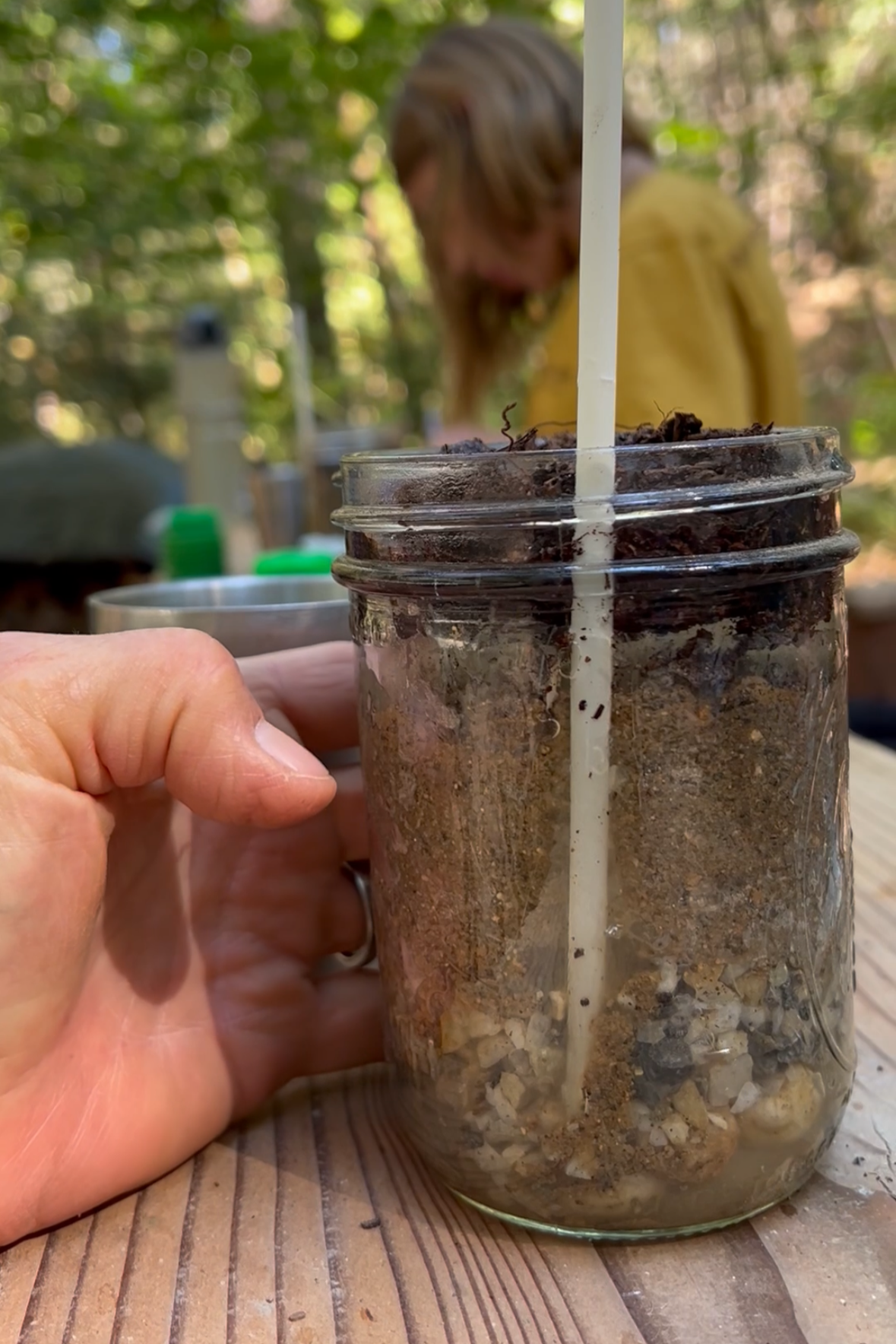
Springs led us to wells, and specifically to the well that supplies water to Ohmapi. We pulled out the well report and read through it together. Our well is 180 feet deep and draws from fractured rock, meaning the water moves through cracks and fissures in the stone rather than through an underground pool.
To really understand it, we rebuilt the well in a mason jar, layer by layer, and watched how water finds its way through rock.
Math in Moving Water
Next, we took out the tape measures.
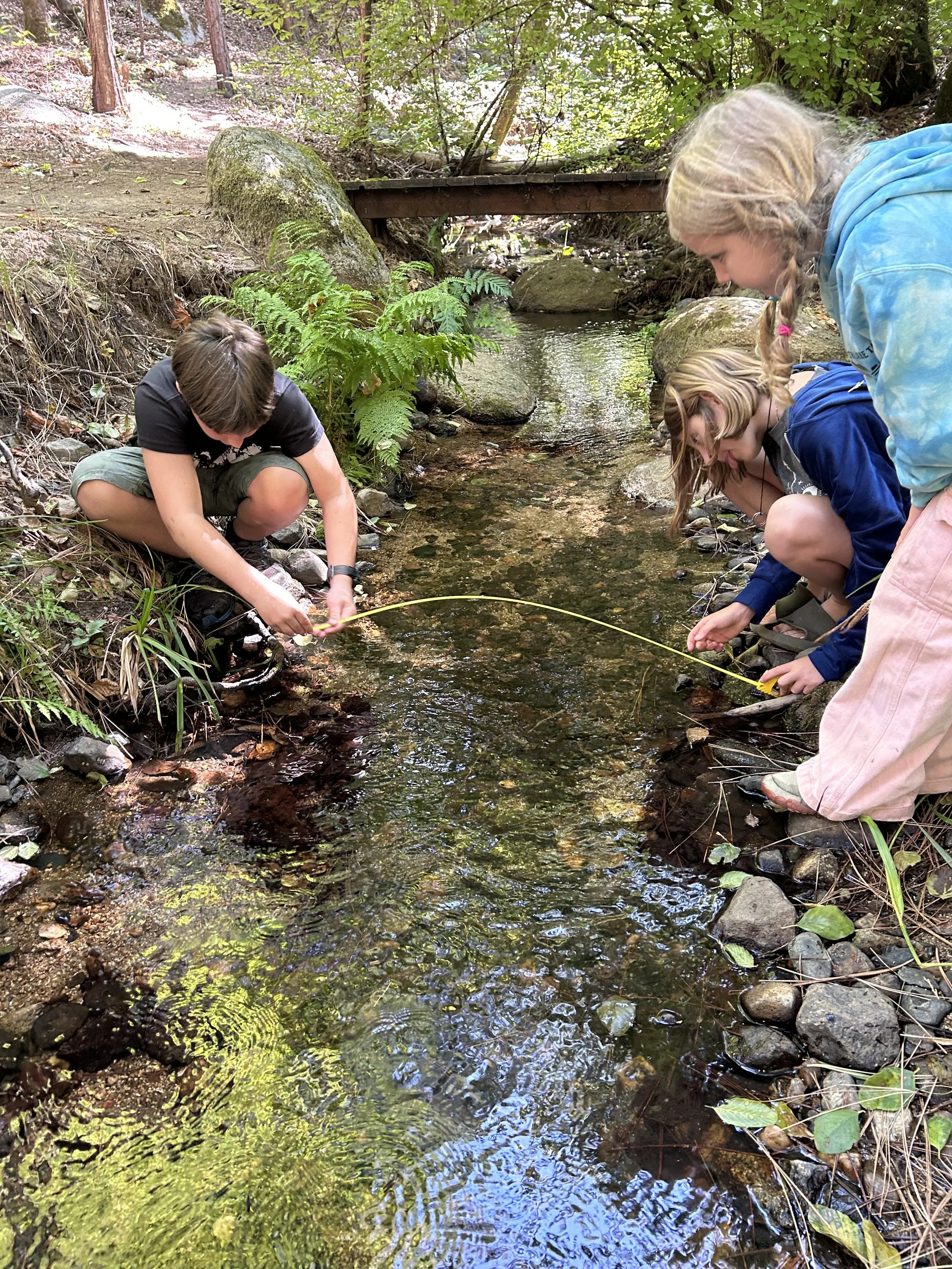
Using string, tape measures, stopwatches, and small boats, we measured the velocity and discharge of the stream that runs through Ohmapi. How fast is the water moving? How much water passes a given point each second? Those questions require real measurements, some math, and a fair amount of chasing boats downstream.
Then we did it all again at the Yuba River so we could compare a small stream with a much larger river. [Dawn: add a result or comparison here if you have one, such as how much faster the Yuba moved.]
Tracing Our Watershed
From there, we zoomed out. Through stories and maps, we traced the children’s favorite local river spot downstream, all the way to the ocean. Seeing that the water they swim in eventually reaches the Pacific made the map feel personal.
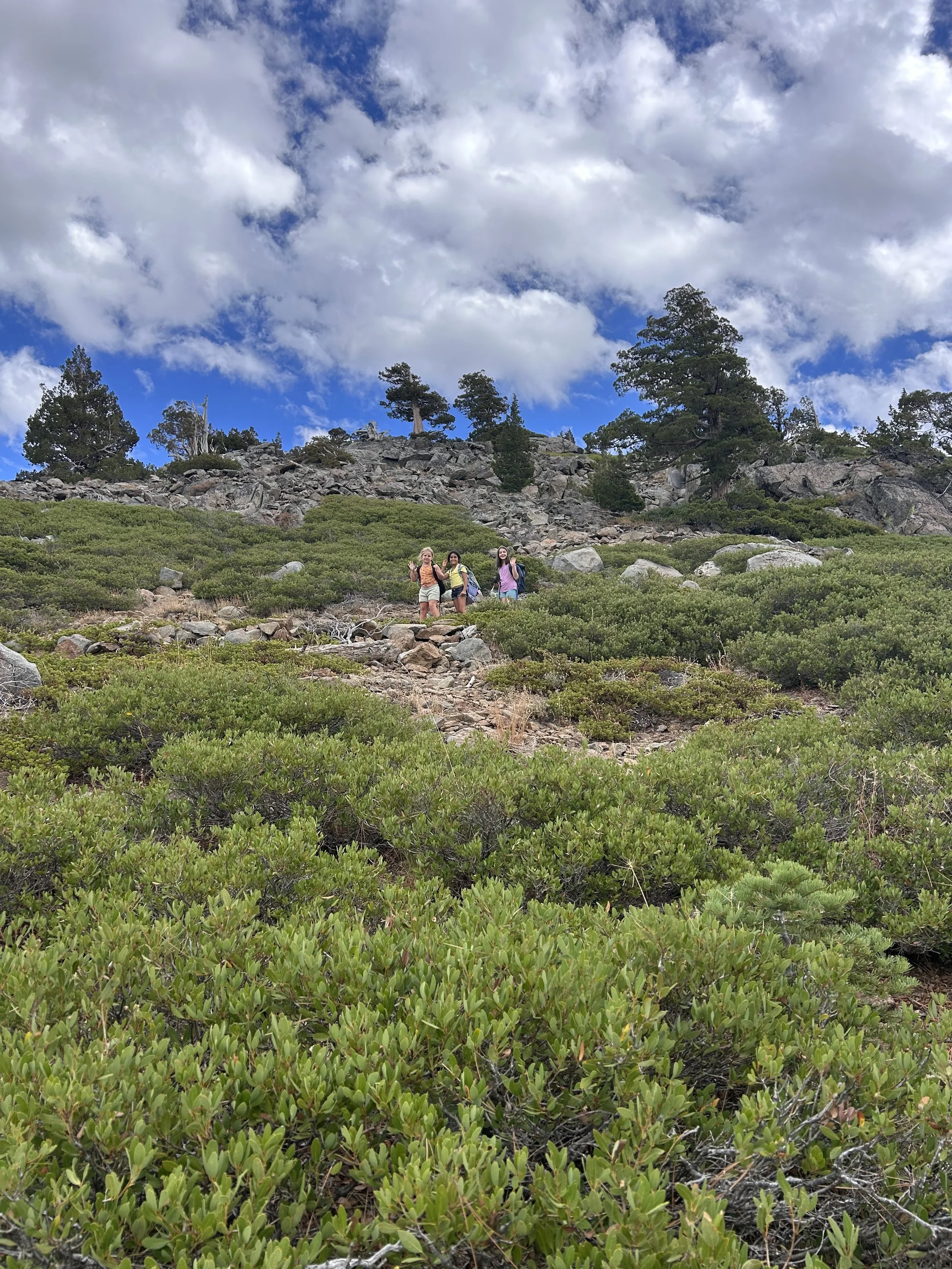
Then we went the other direction. We hiked to 7,000 feet of elevation to visit the river’s headwaters, where it all begins.
Back at school, the children built simulation models of our local geography to explore erosion and flooding. Building a landscape and then sending water through it on purpose is both a great lesson and a great deal of fun.
Learning the River by Being in It
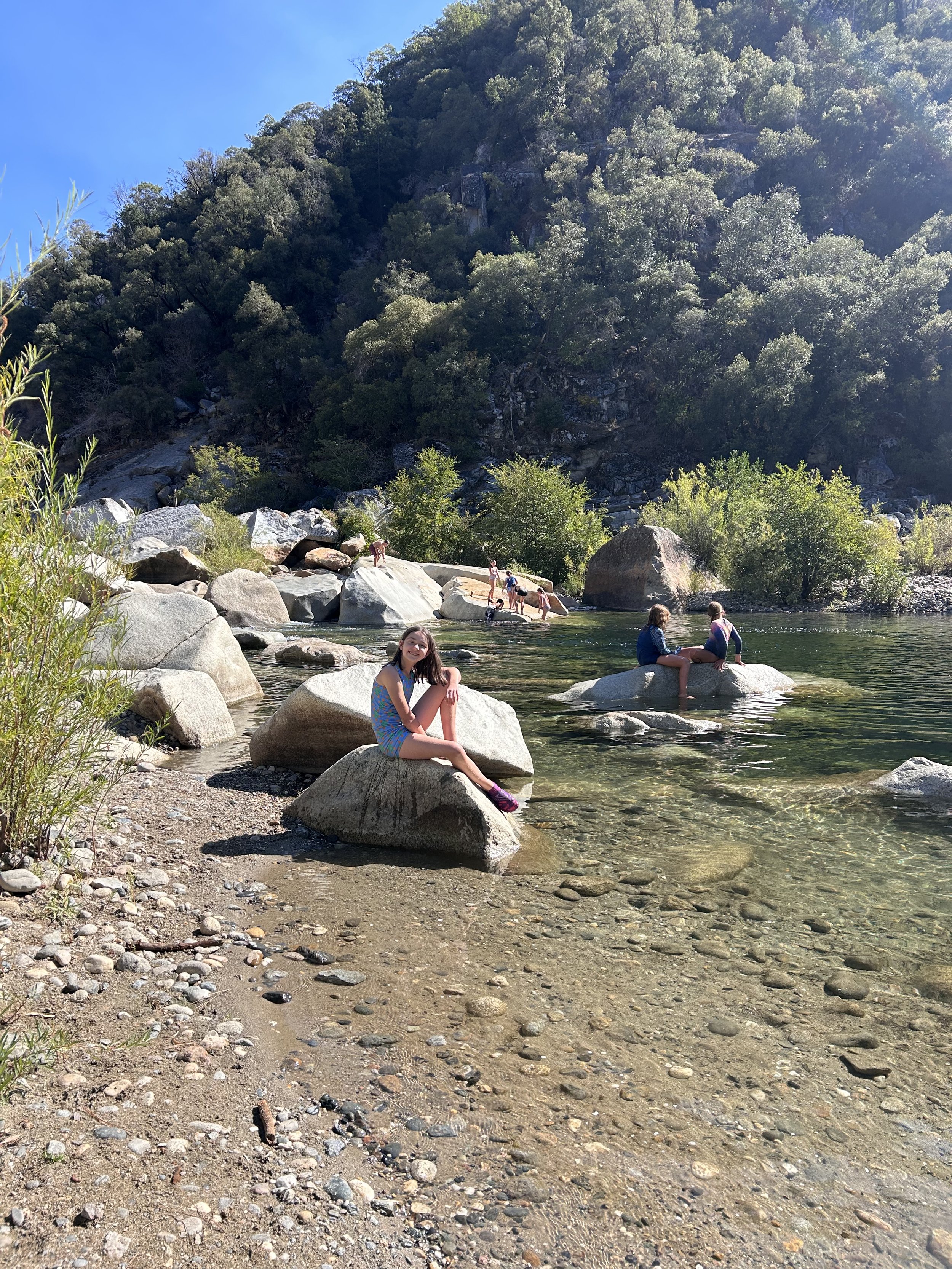
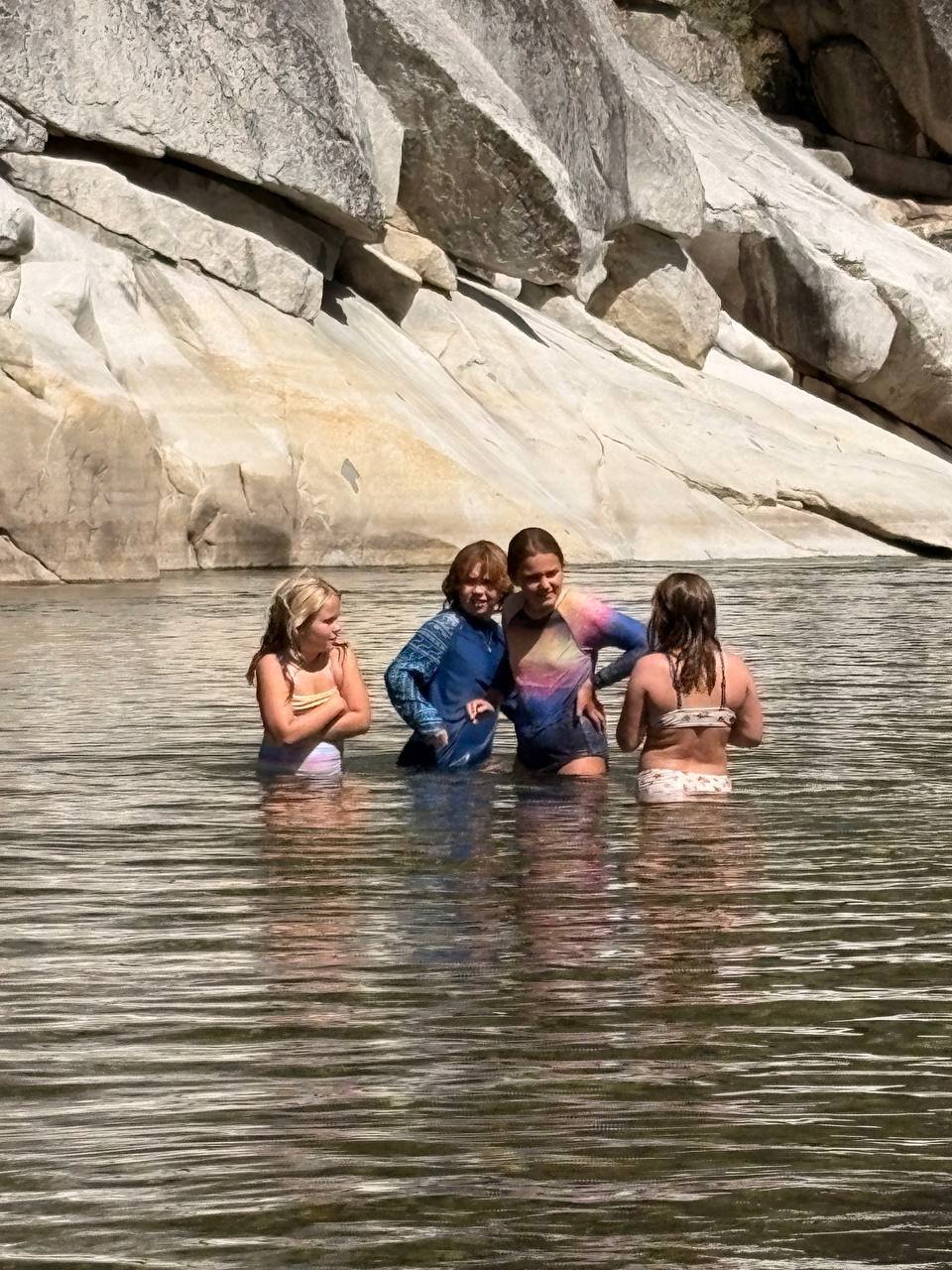
Some things are best learned by getting wet. We studied river anatomy—eddies, pillows, banks, and more—by spending time in the river and swimming in it. You can draw an eddy on a whiteboard, but you don’t really understand one until you’ve felt it pull you around.
Because we were all in the water, I don’t have video from these days, only a few photos.
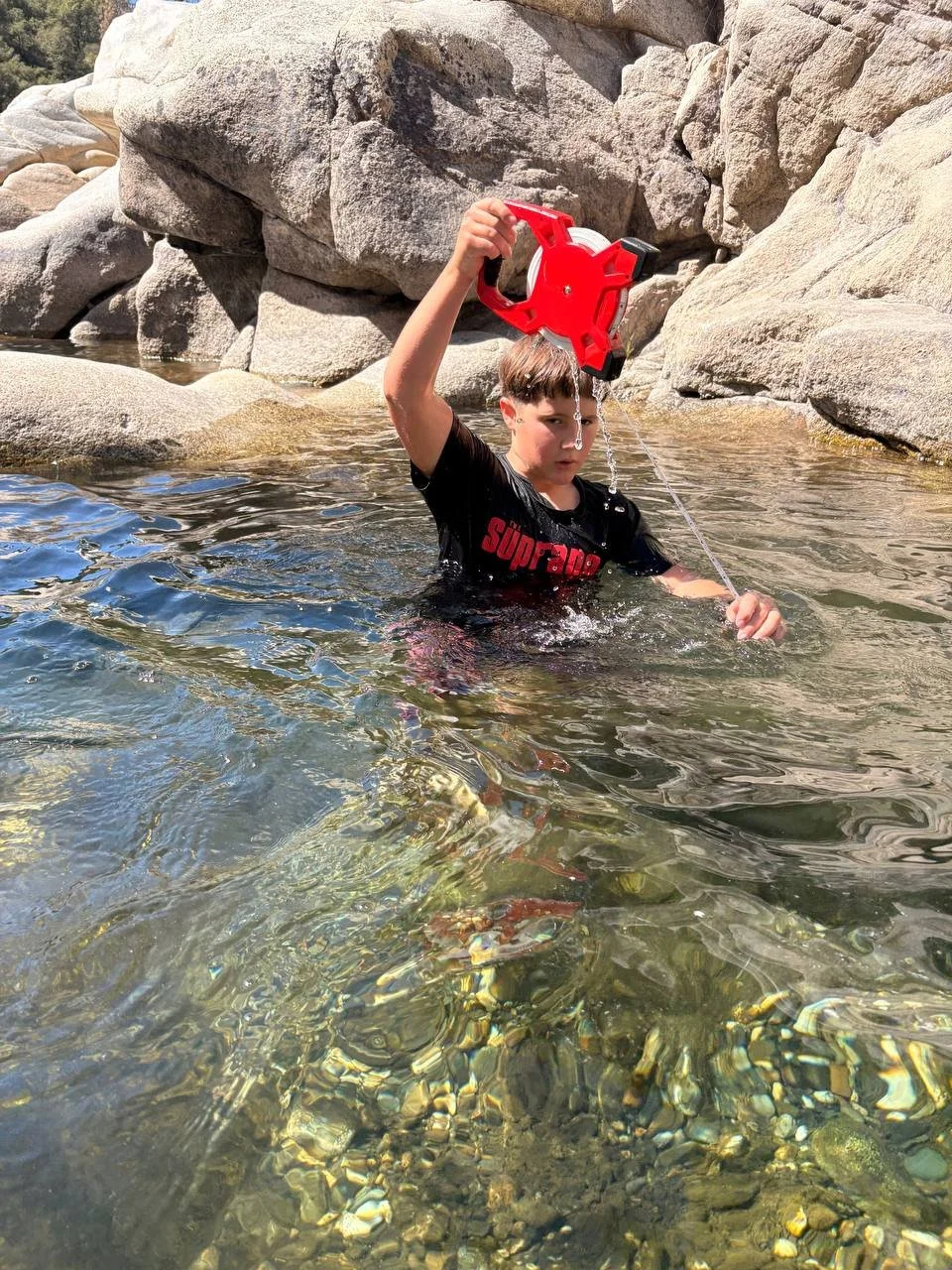
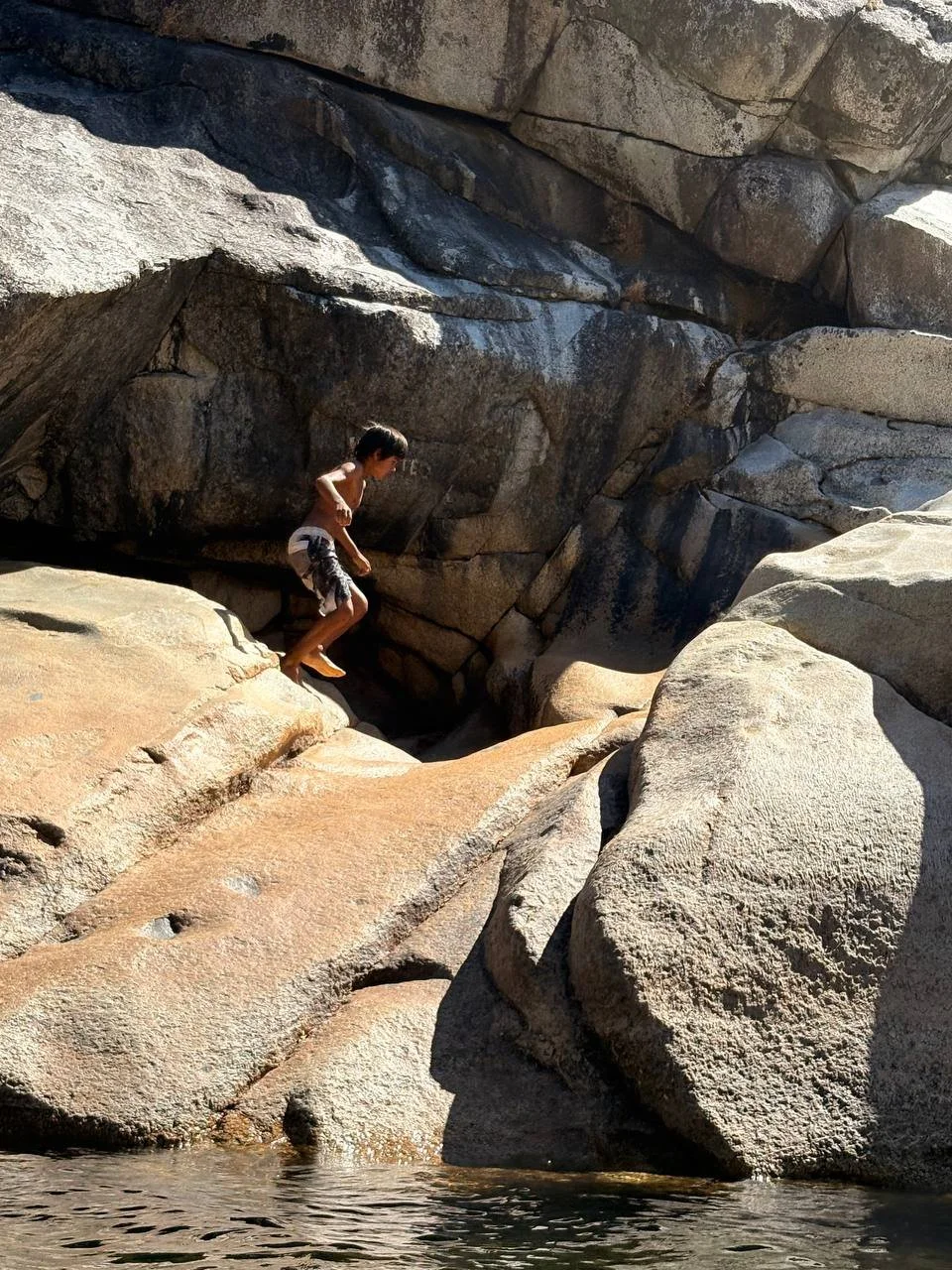
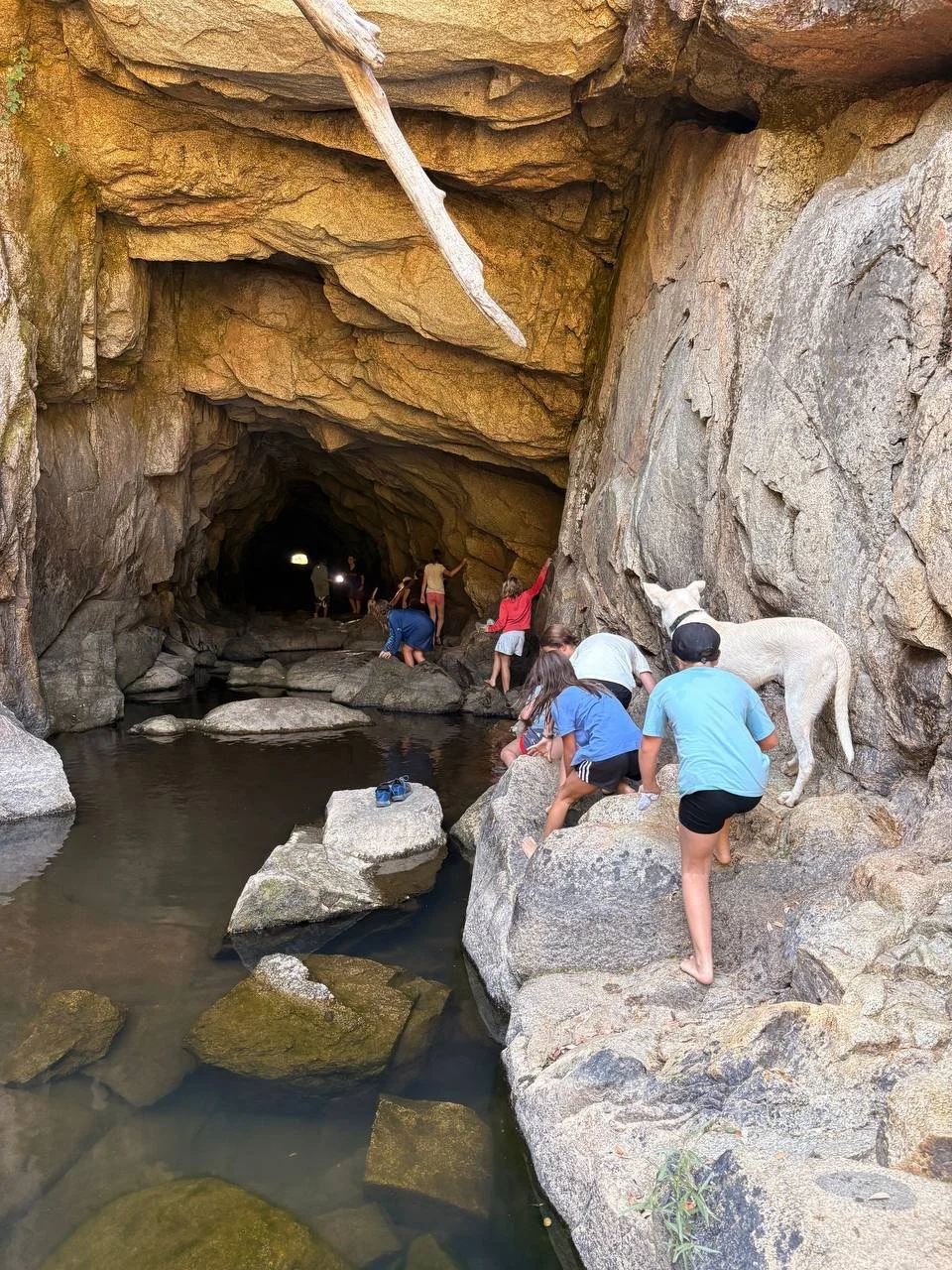
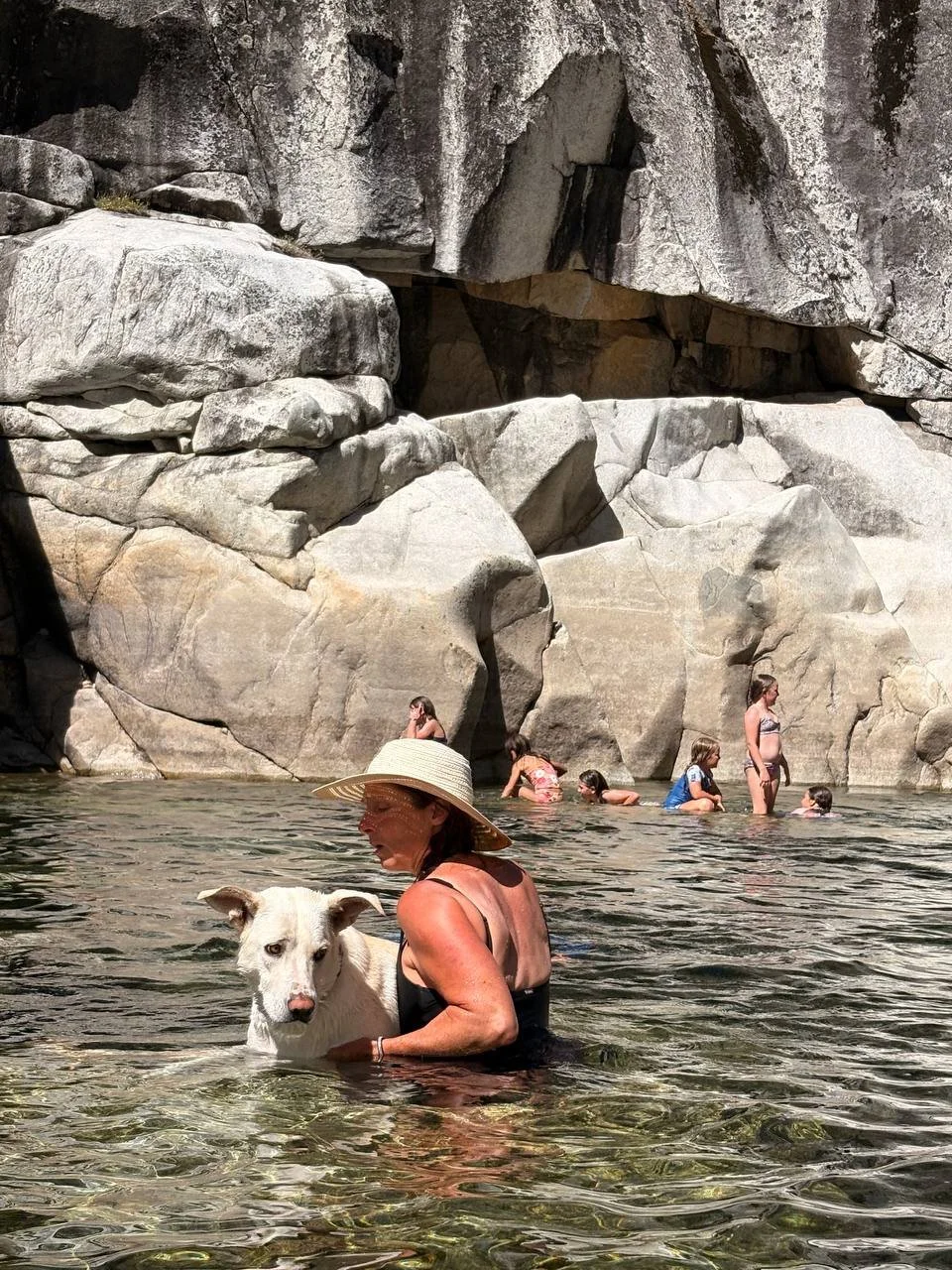
Canyoneering
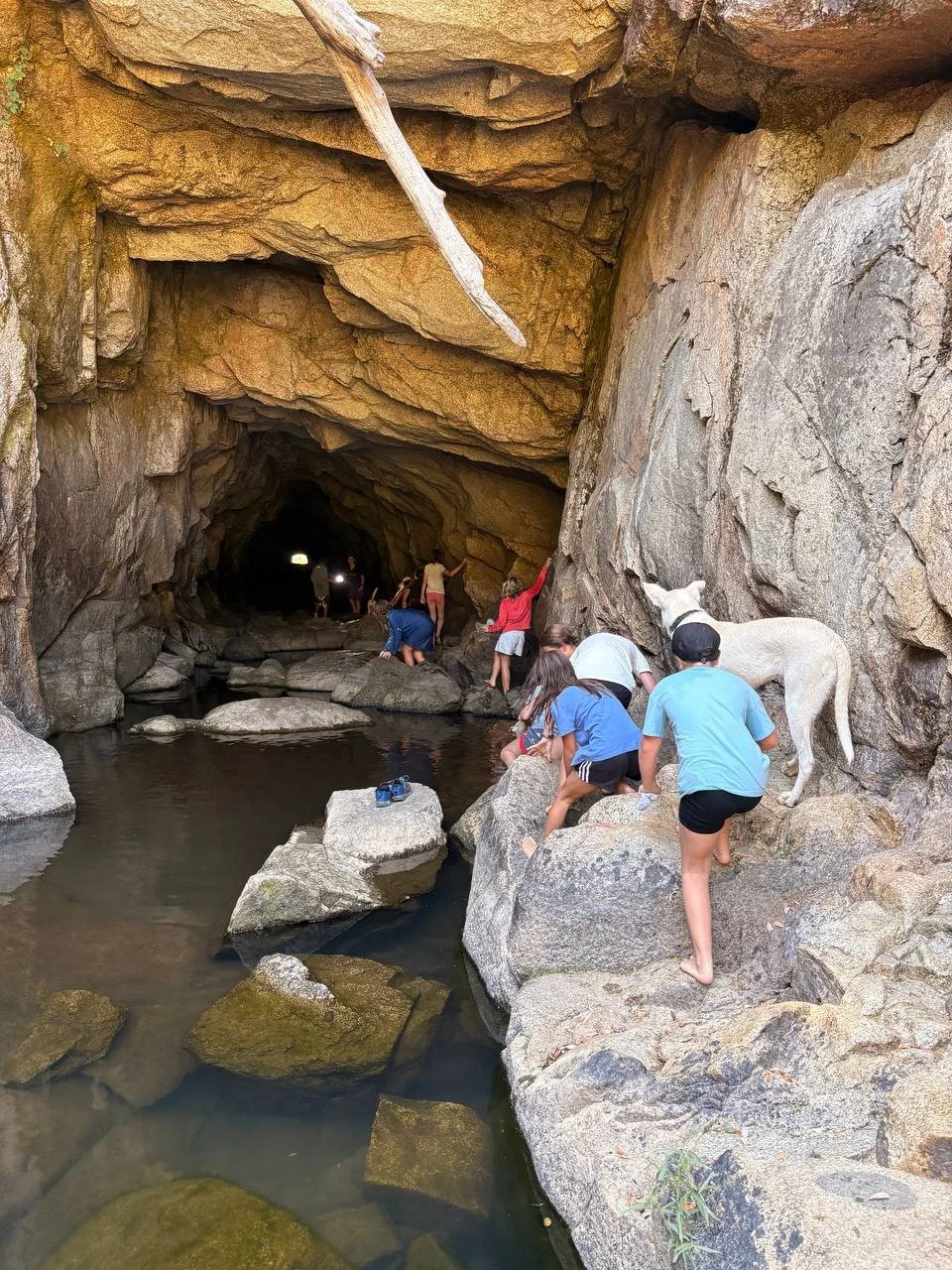
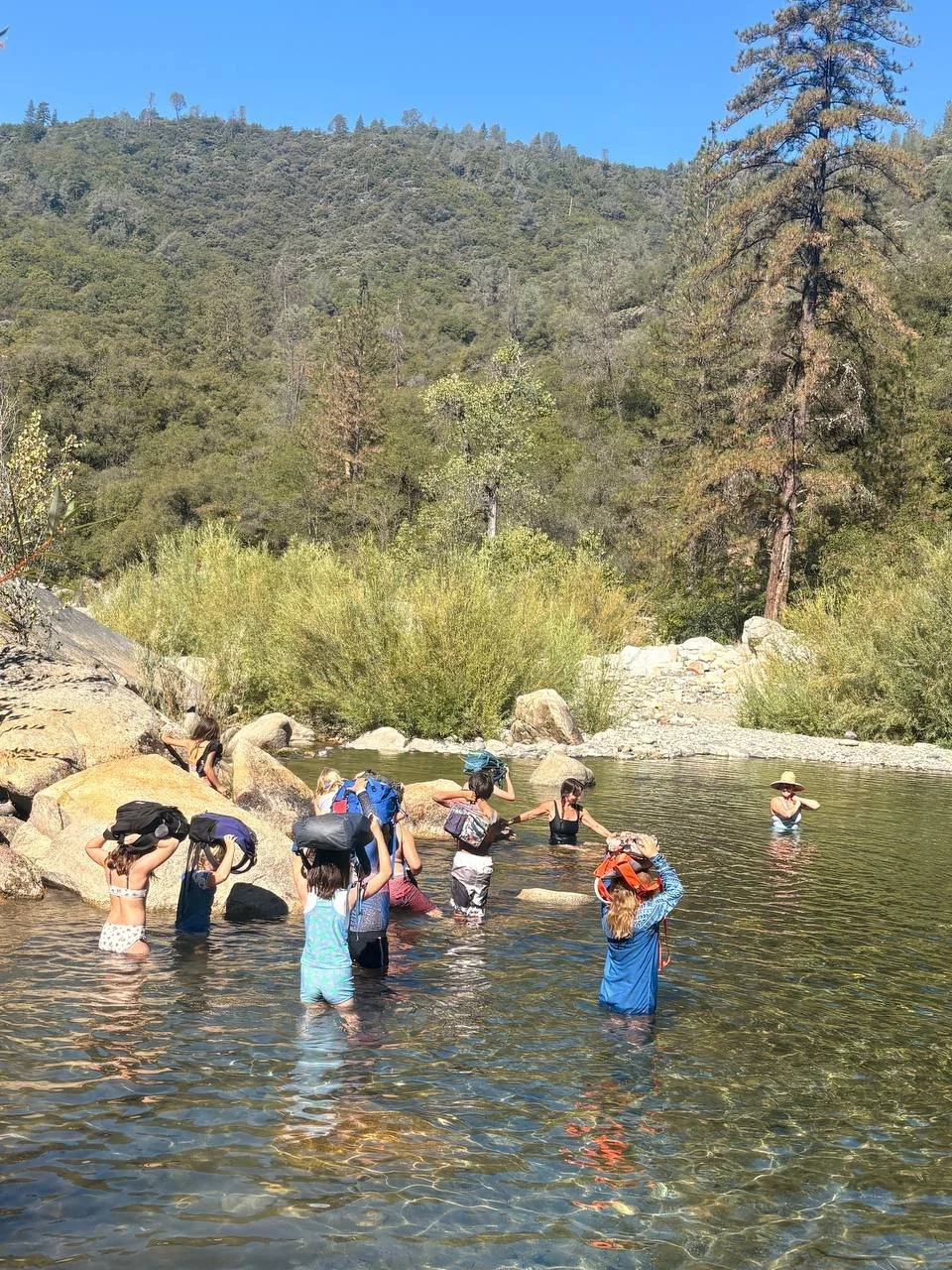
We also went canyoneering. Moving through a canyon as a group asks a lot of children: trust in each other, trust in themselves, and the confidence to keep going when the path gets tricky. They rose to it.
A Survival Skill: Filtering Water
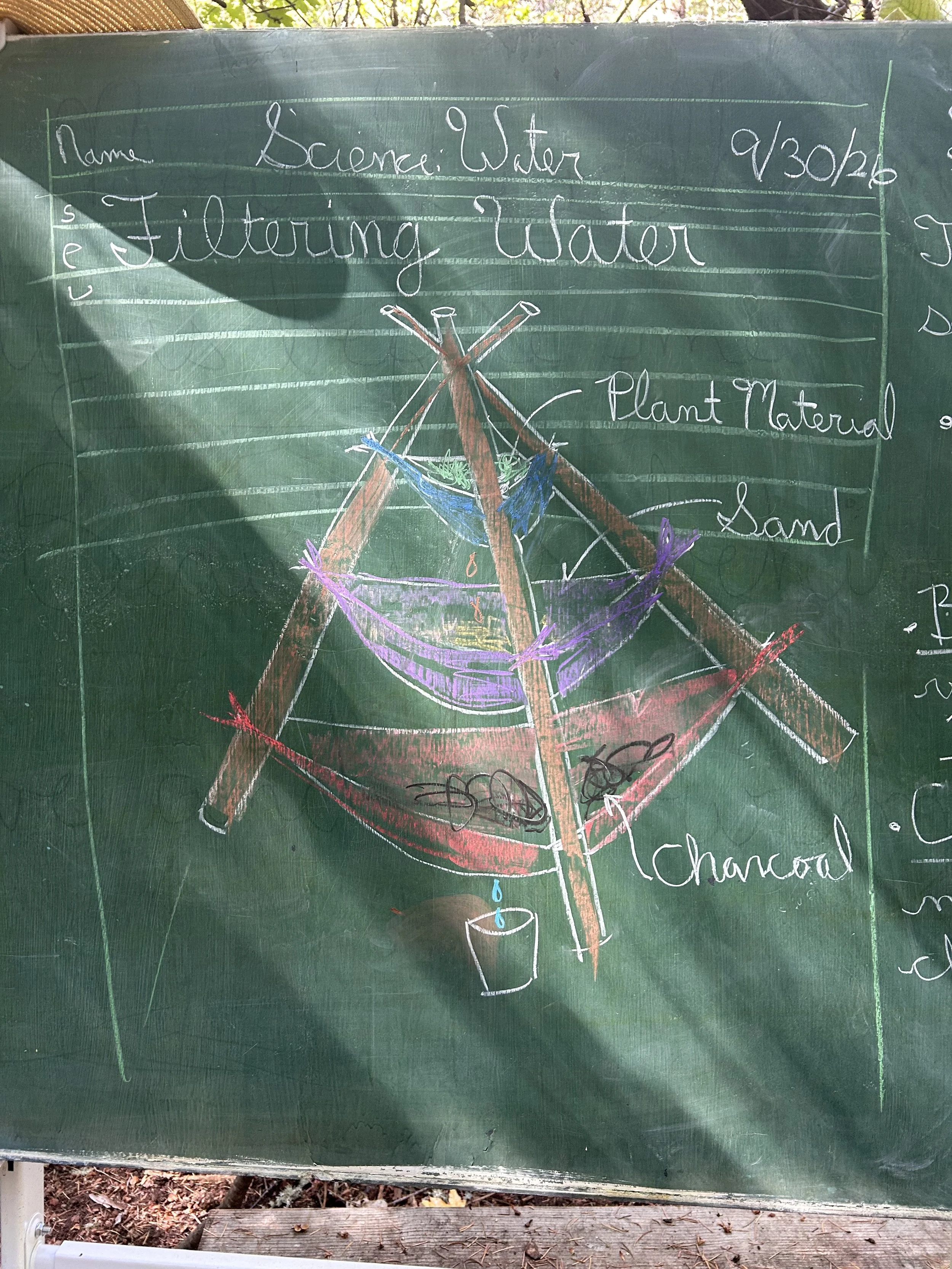
We closed the block with a practical skill: how to filter water using primitive methods. Understanding where water comes from naturally leads to a very real question. How do we make it cleaner?
Water Isn’t Done With Us Yet
Over six weeks, the children explored water through stories, maps, measurements, models, and their own bodies in the river. They studied it as scientists, mapped it as geographers, and played in it as kids.
That’s the heart of learning by doing. It takes longer than reading about something, but it stays with you. These children won’t forget where their water comes from, because they’ve stood at the spring, the well, the stream, and the headwaters.
Luckily, our second water block is coming this spring, and this time, we’ll be visiting the ocean.