
Snow Day, Ohmapi Style!
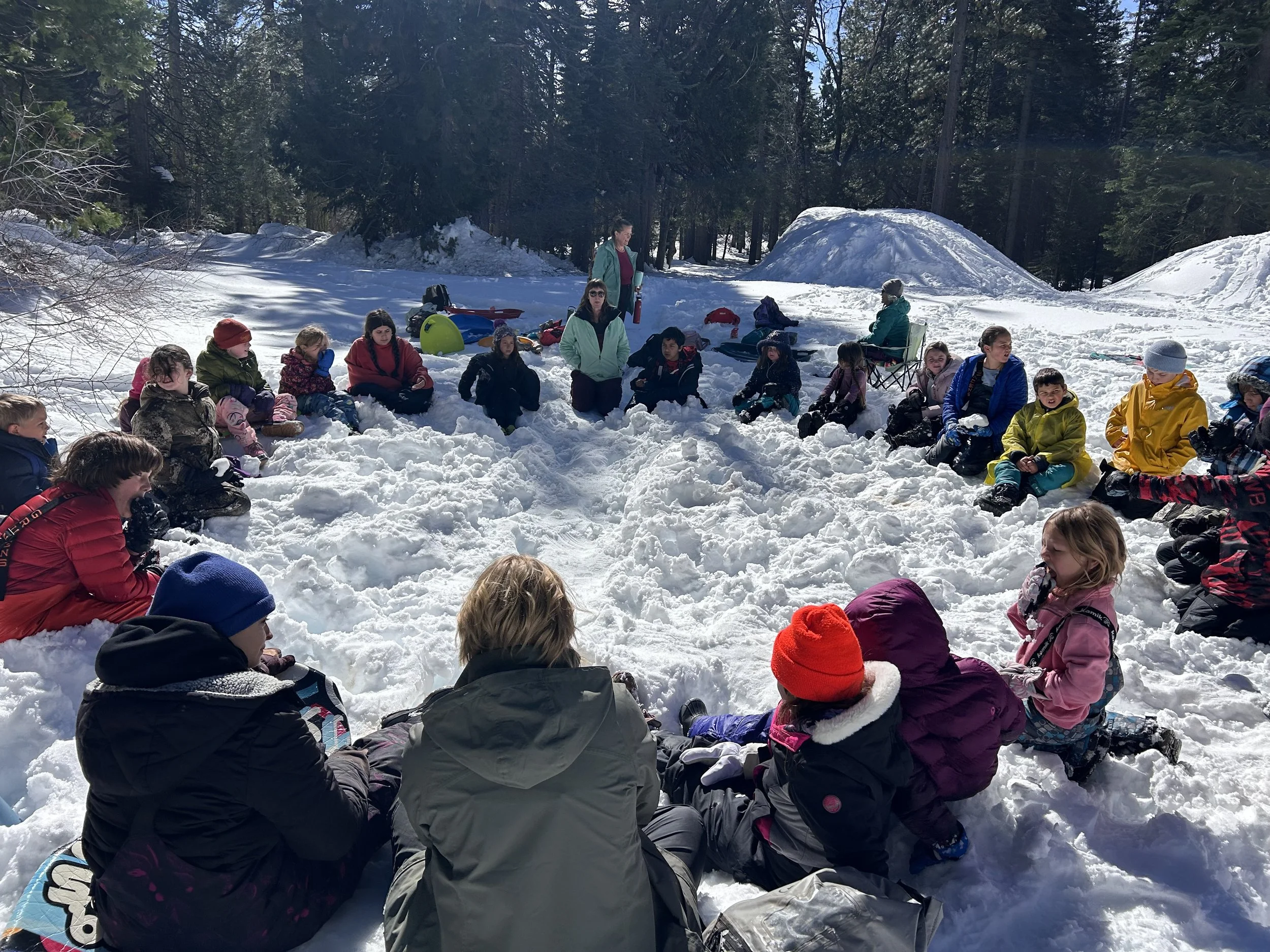
At The Ohmapi Nature Project, nature is our classroom. One cold, sunny day in February, a snow covered hill was our science lab, our engineering studio, and our gymnasium all at once.
Sledding became an exploration of velocity. Children felt acceleration in their bodies as they pushed off. They experimented with friction without naming it. They discovered how a slight shift in weight could mean the difference between a smooth glide and a sideways tumble.
They did not need a worksheet to understand momentum. They experienced it.
Snowboards required balance and adjustment. One foot forward, knees bent, arms out. Fall. Laugh. Try again. With every run, their bodies gathered information and recalibrated.
Nearby, snowmen began to rise.
What looks simple is anything but. Snow must be packed tightly enough to hold. The base must be wide enough to support weight above it. Spheres must be aligned or the structure leans. When it collapses, there is analysis. What happened? Too heavy on top? Not packed enough? Is the snow too powdery?
Engineering in mittens and scarves.
Problem-solving unfolded collaboratively. Children negotiated design choices. They revised their plans. They rebuilt.
This is applied learning.
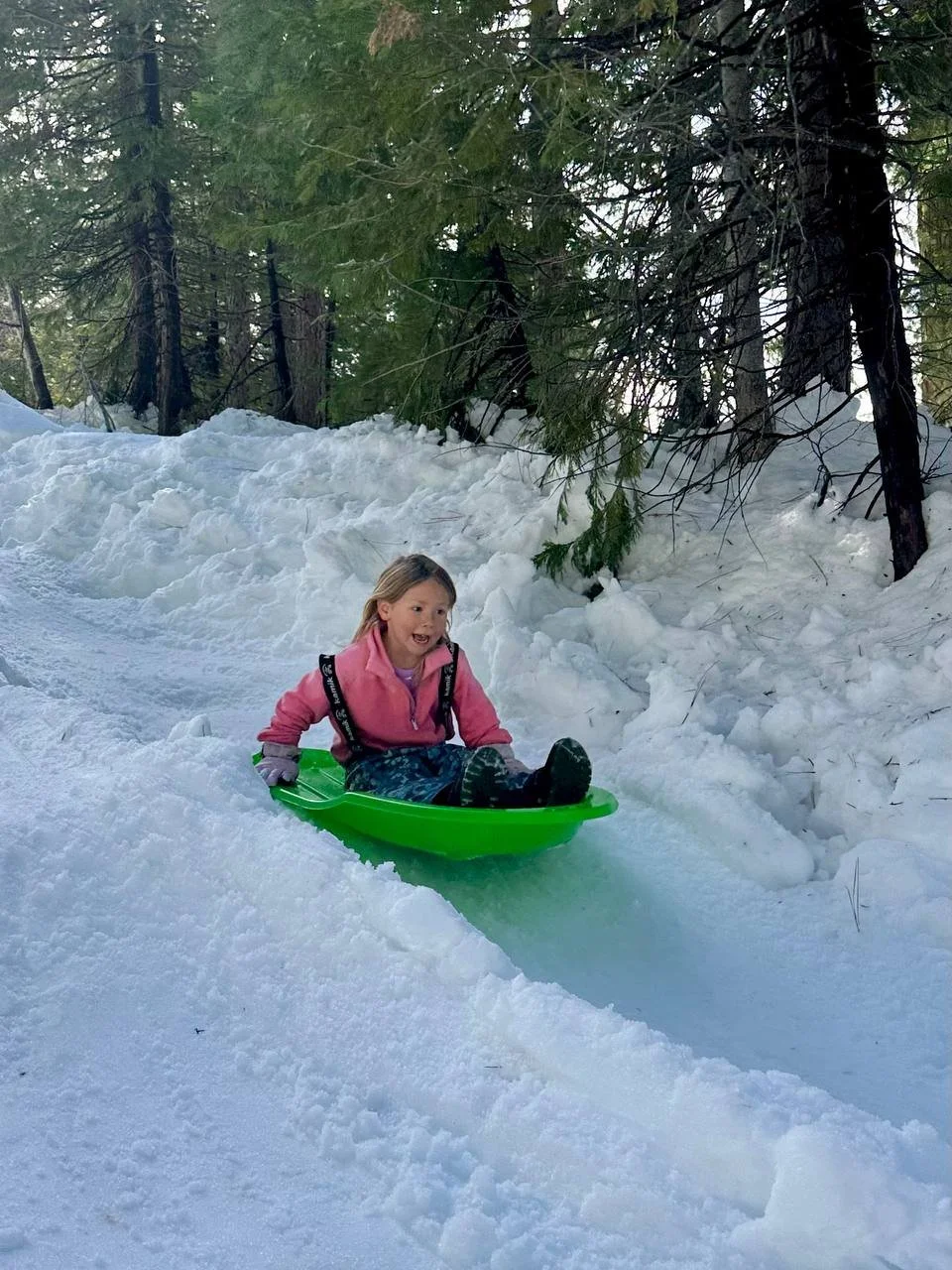
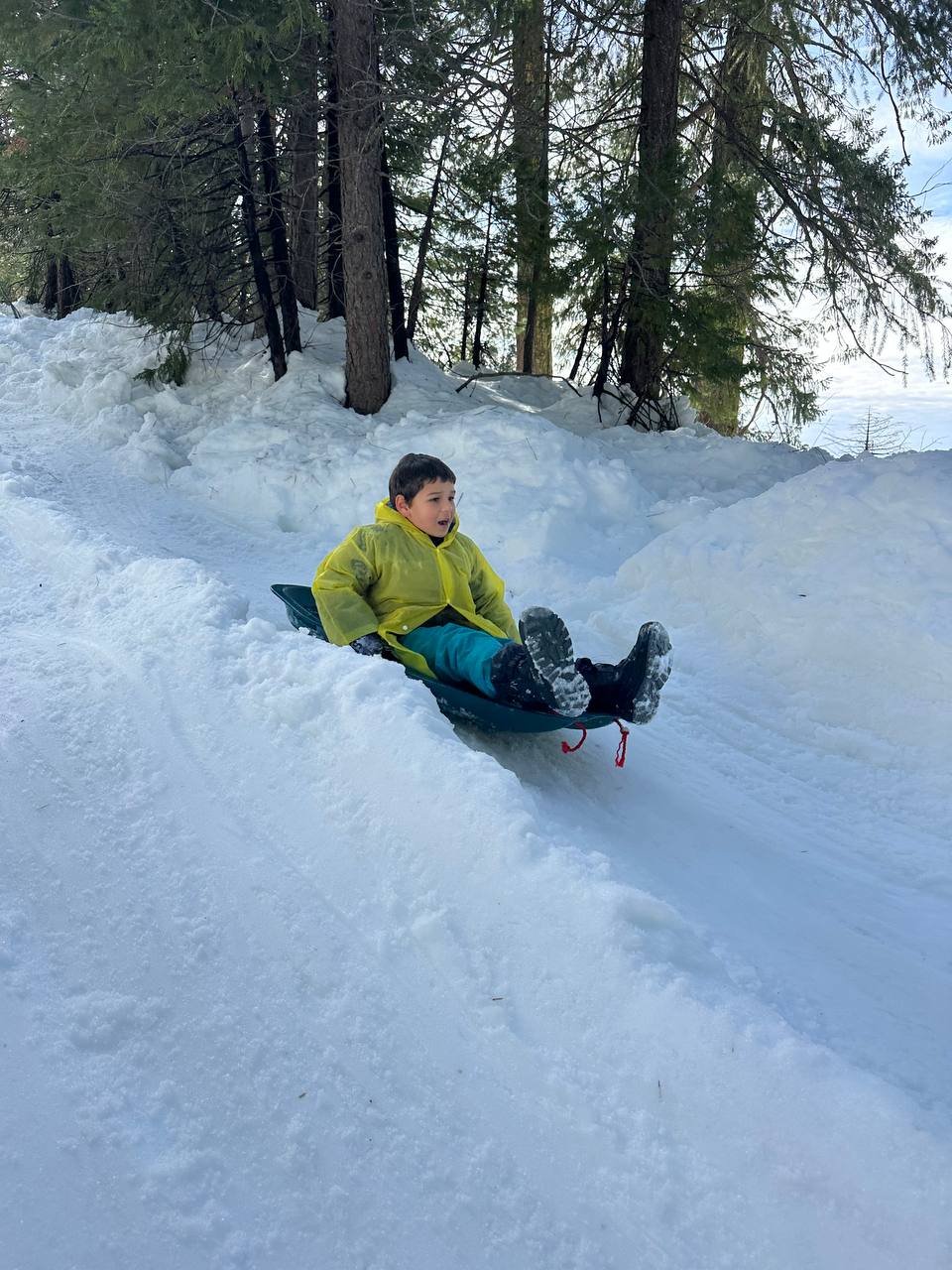
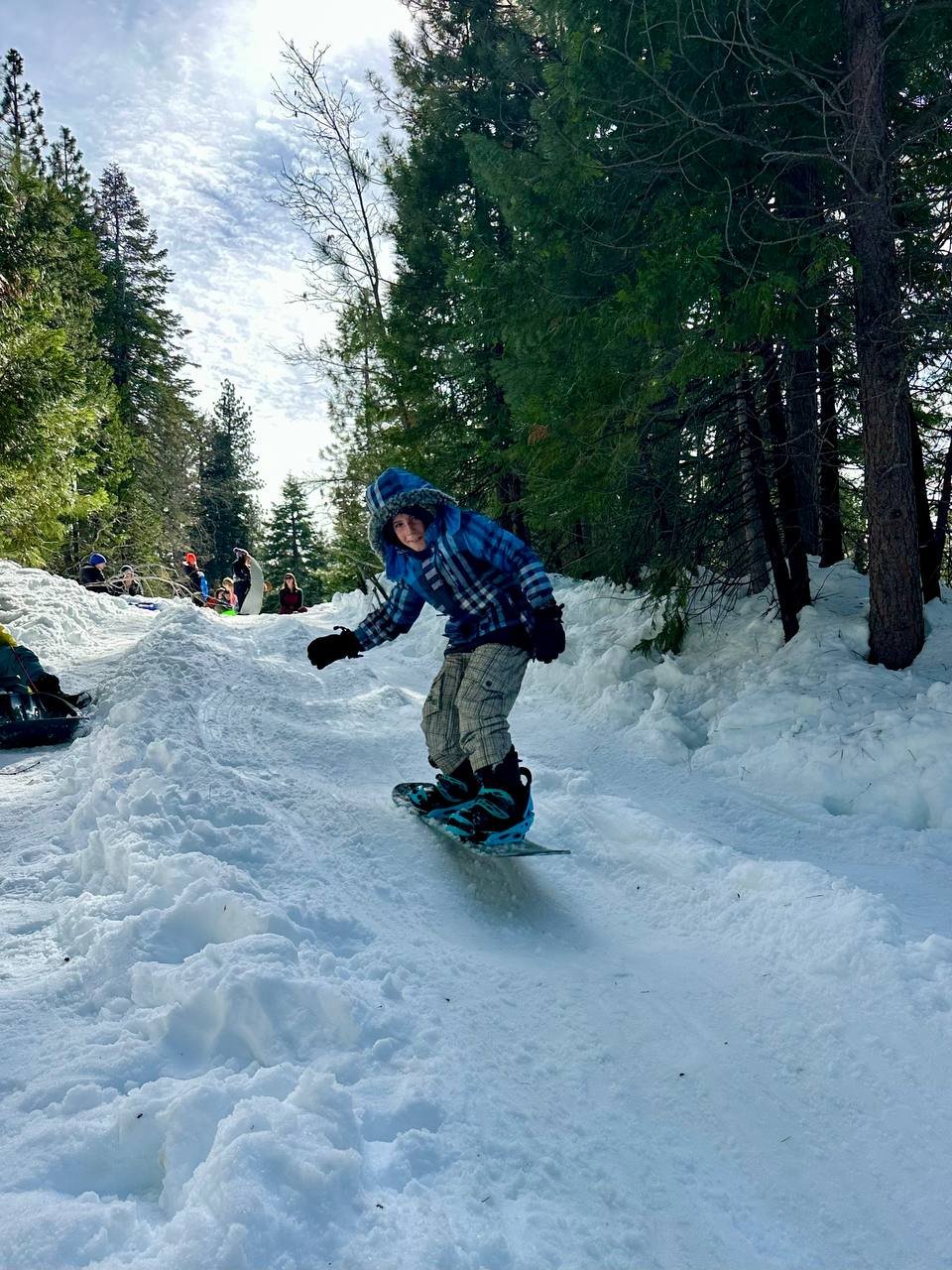
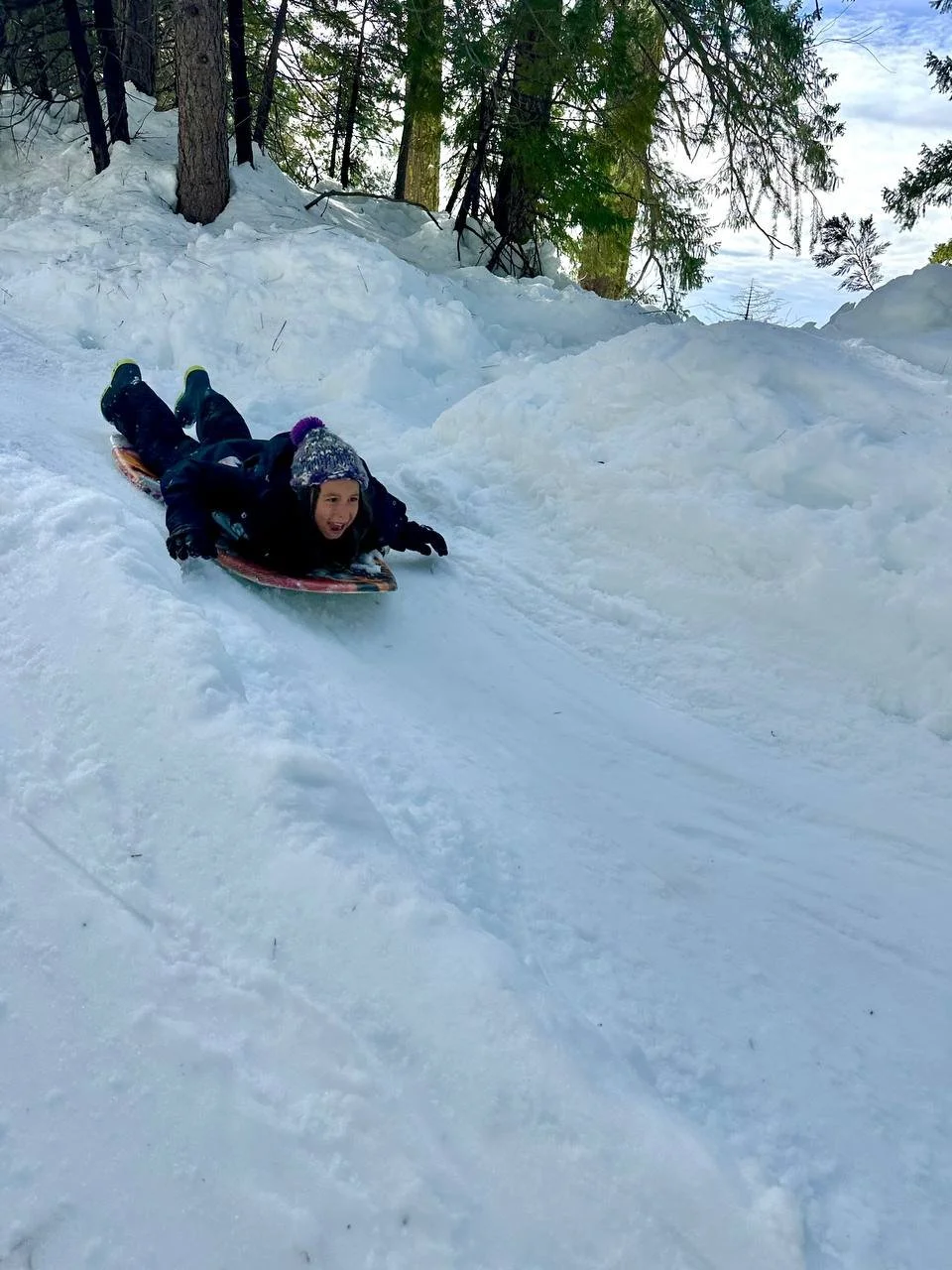
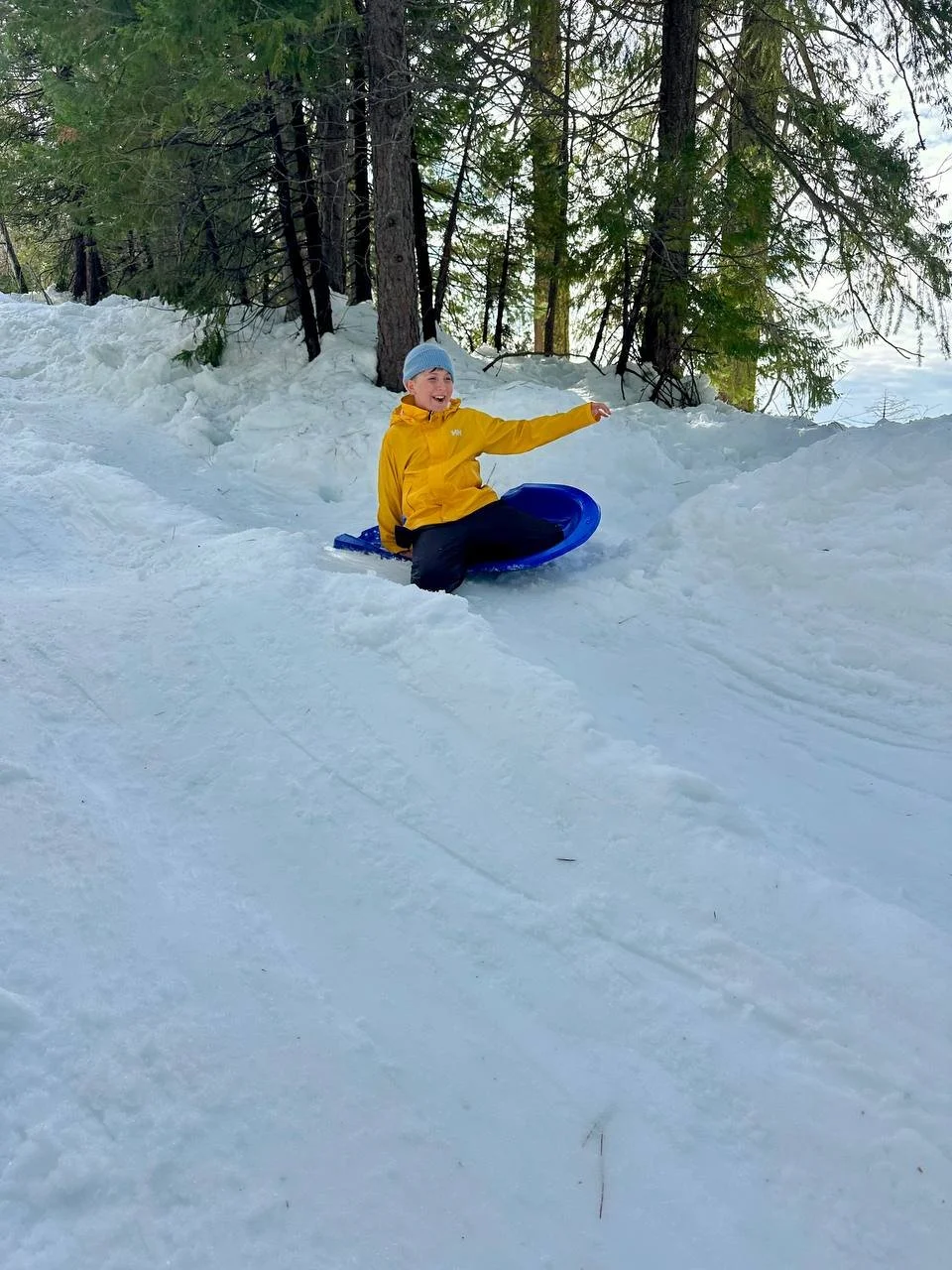
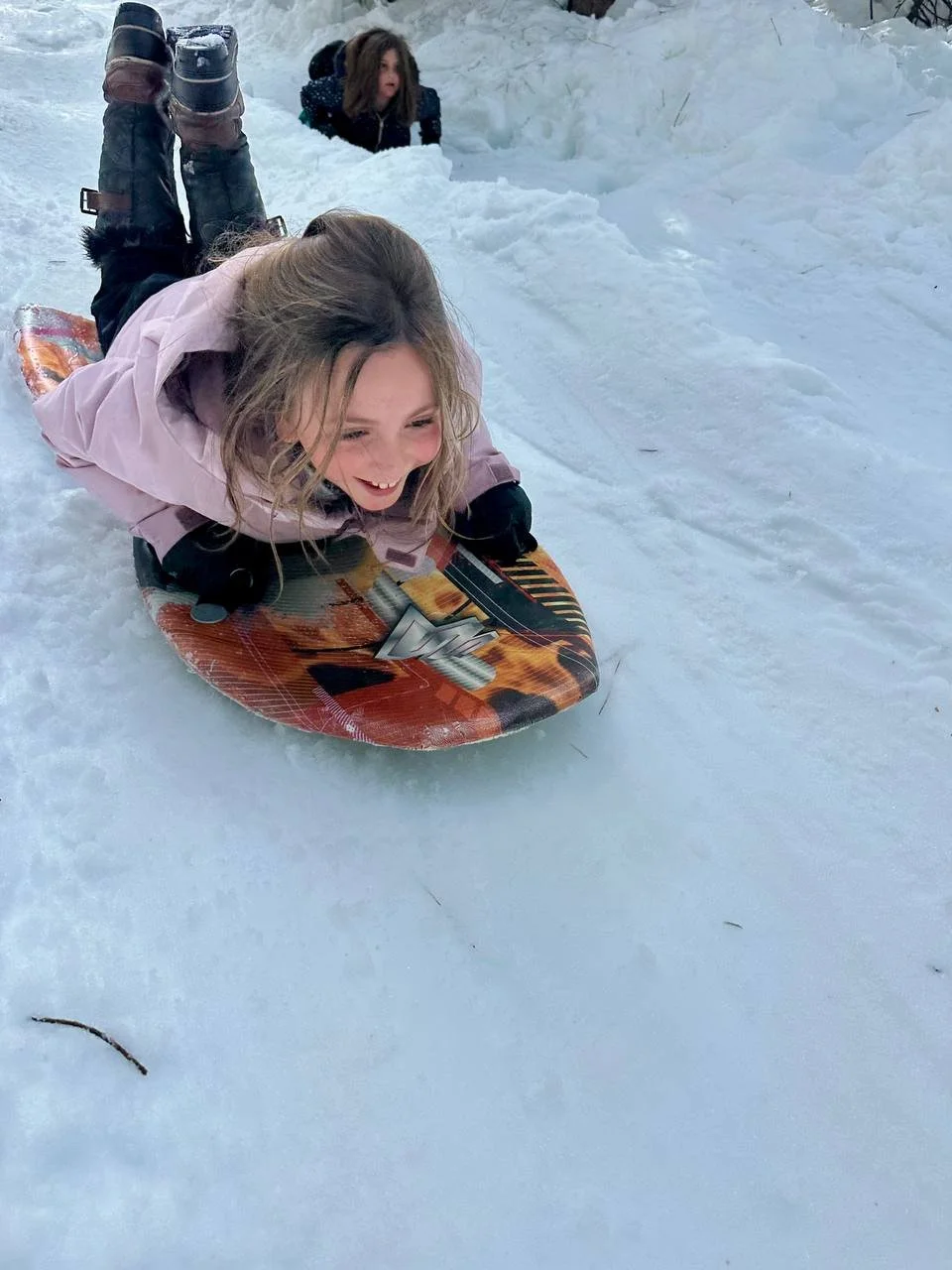
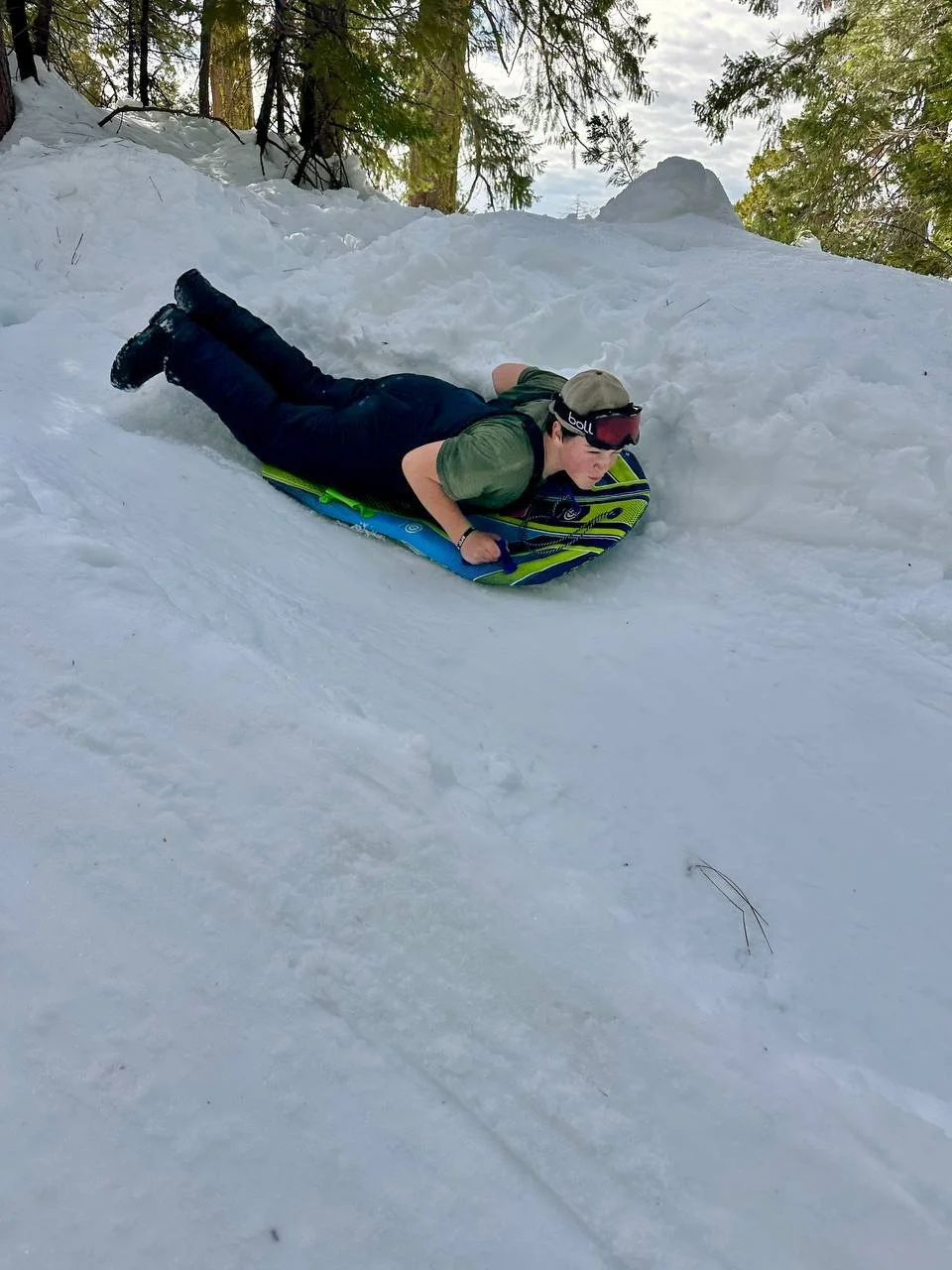
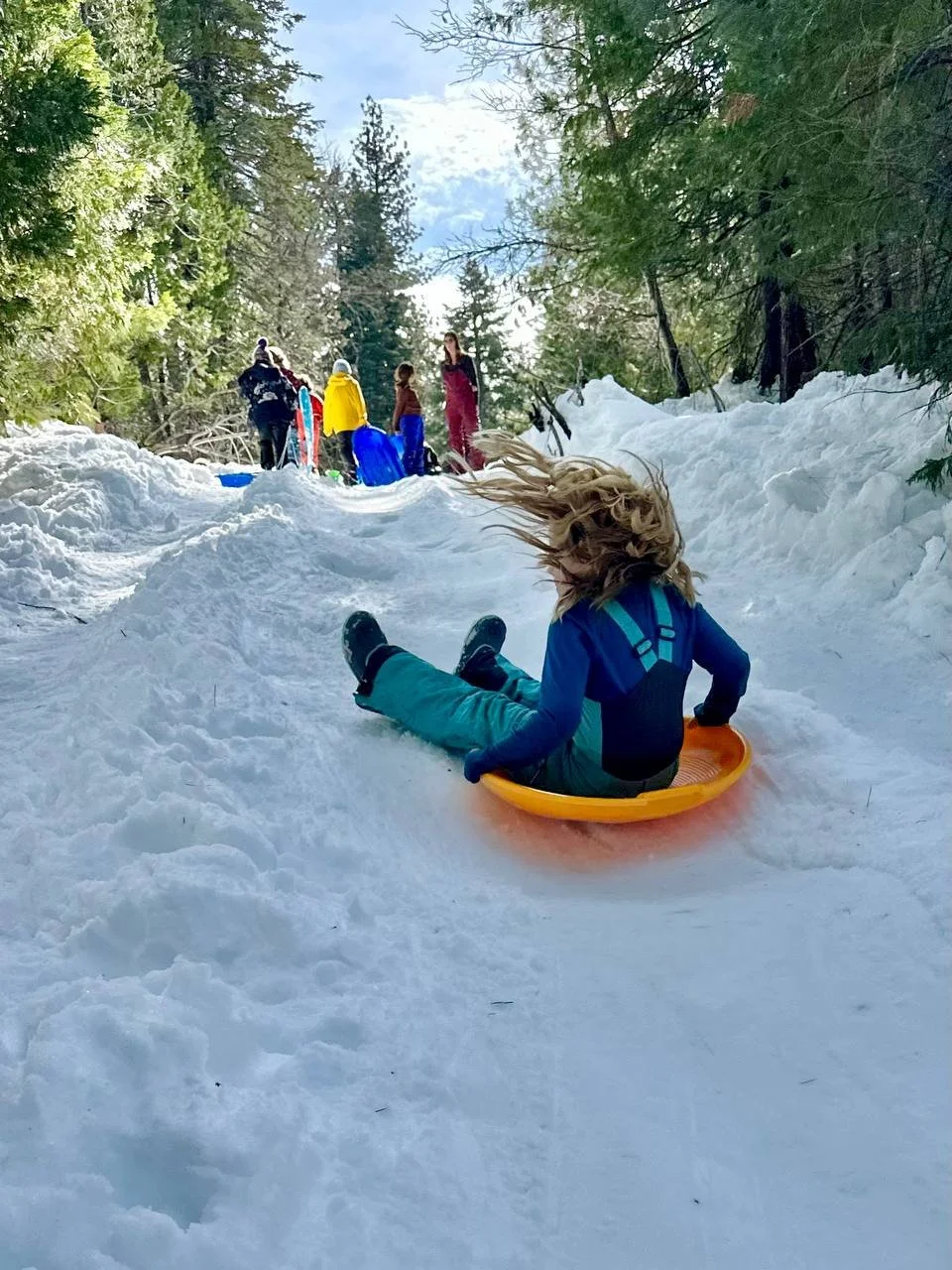
When playing in the snow, physics is not abstract. It is felt in the legs after climbing the hill again. It is heard in the scrape of sled runners across different snow textures. It is seen when a snowman stands tall because the base was built wide and strong.
The body remembers what it works for.
There were bright eyes and red cheeks. There were spills and successes. There was independence and cooperation. There was challenge and resilience.
Most importantly, there was joy.
Outdoor education does not pause for winter. It adapts with it. When children are given space to explore real conditions in real time, learning becomes integrated. Science, movement, social development, and creativity are not separated into subjects. They exist together. A rare snowy day at Ohmapi is not a break from learning. It is learning in its most tangible form.
And long after the snow melts, the lessons remain in muscle memory, in confidence, and in the quiet understanding that the natural world is not something to observe from a distance, but something to engage with fully.